3D-printable humanoid legs let robotics experiments run wild
A $2,500 pair of 3D-printed humanoid robot legs enables researchers to test and train AI-powered robotics software in a physical body during real-world experiments.
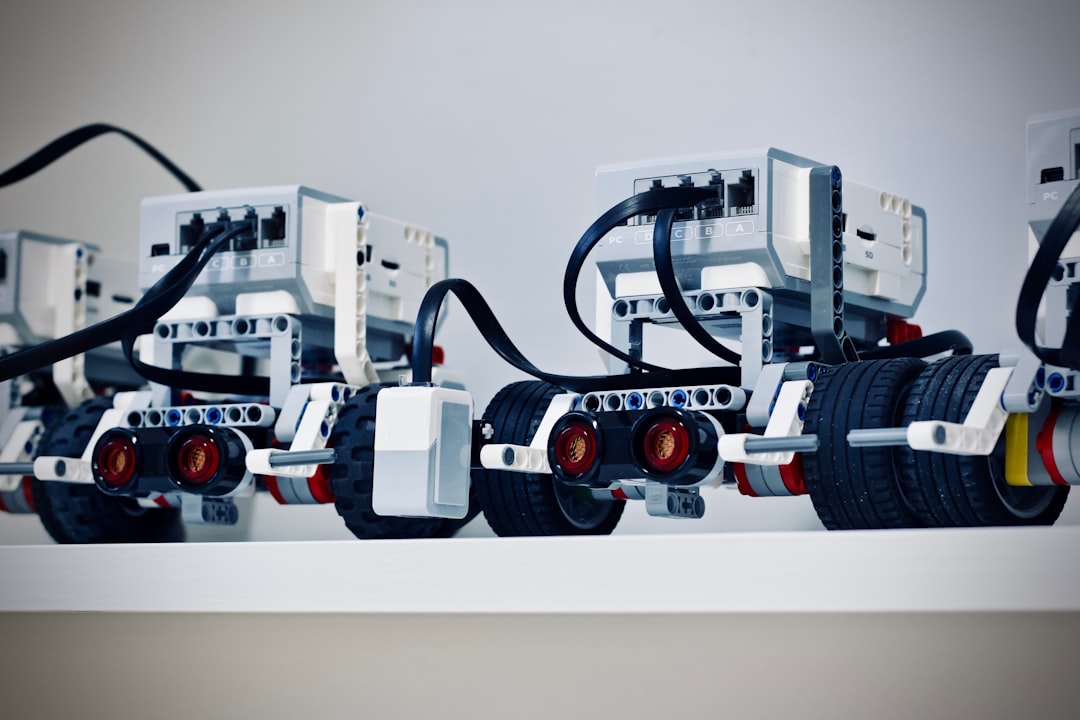
A $2,500 pair of humanoid robot legs, crafted from 3D-printed parts and off-the-shelf components, may not be ready to sprint to the finish line just yet. However, this relatively affordable hardware could revolutionize the field of AI-powered robotics by allowing researchers to easily test and train software in a physical body during real-world experiments. The LeRobot Humanoid project, recently released by machine learning and AI development platform Hugging Face, offers a comprehensive toolkit for robot builders and researchers.
The full-stack release includes a bill of materials, files for 3D-printable parts, wiring documentation, and physical assembly instructions. Additionally, it provides software tools for calibrating and controlling the robot, both in its physical form and in simulation. According to Virgile Batto, a robotics engineer at Hugging Face, the LeRobot Humanoid is not designed to be the most advanced humanoid robot on the market.
Instead, it aims to provide a platform that can be easily built, understood, repaired, and used for learning experiments. As Batto noted in a blog post coauthored with his colleagues, "If you are looking for the most advanced humanoid robot, this is not it. If you are looking for a humanoid you can build, understand, repair, instrument, simulate, and use for learning experiments, this is the robot we are trying to make." The release of the LeRobot Humanoid project has the potential to democratize access to humanoid robotics research, enabling a wider range of researchers and developers to explore the possibilities of AI-powered robotics.
By providing a affordable and accessible platform, Hugging Face hopes to accelerate innovation and advancements in the field. The use of 3D printing and off-the-shelf components makes the LeRobot Humanoid an attractive option for researchers and developers looking to explore humanoid robotics without breaking the bank. With its comprehensive toolkit and open-source approach, the LeRobot Humanoid project is poised to make a significant impact on the robotics research community.
The future of humanoid robotics is likely to be shaped by projects like the LeRobot Humanoid, which prioritize accessibility, affordability, and innovation. As researchers and developers continue to push the boundaries of what is possible with AI-powered robotics, platforms like the LeRobot Humanoid will play a critical role in enabling experimentation and exploration.
Source: Ars Technica