The AI justice gap solution is slowly turning into an existential paperwork nightmare for US federal courts
A new study finds that lawsuits filed without a lawyer at US federal courts have nearly doubled since ChatGPT's rise, with one in five complaints now containing AI-generated text.
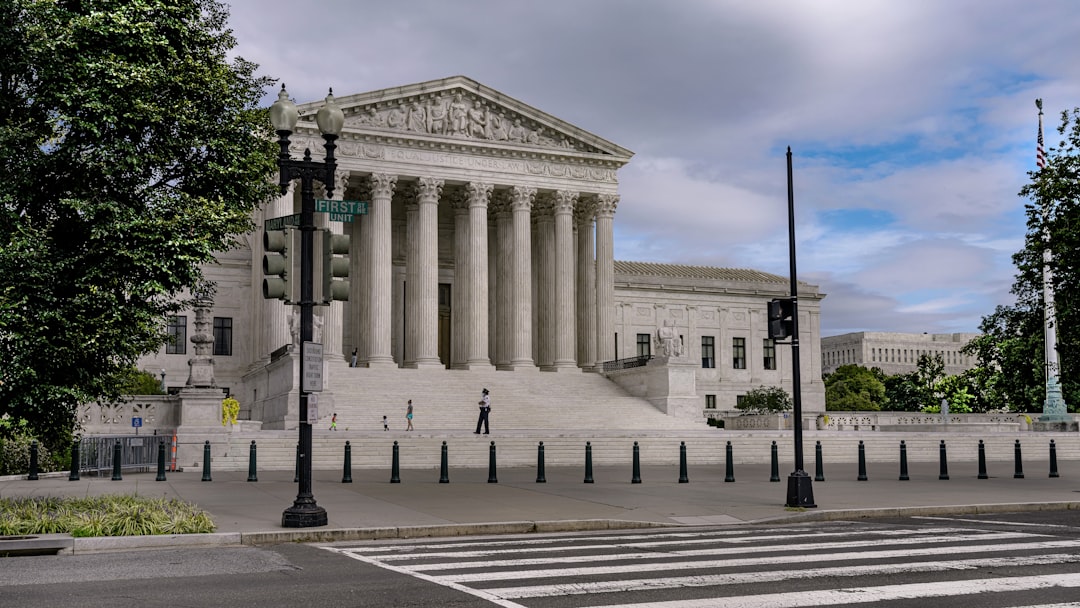
A growing reliance on artificial intelligence is transforming the US federal court system in an unexpected way. A new study from MIT and the University of Southern California reveals that lawsuits filed without a lawyer at US federal courts have nearly doubled since ChatGPT went mainstream. This surge in pro se filings – cases where individuals represent themselves without legal counsel – has led to a deluge of paperwork for judges to sift through.
The study's findings are both striking and concerning: one in five complaints now contains AI-generated text, which can make it difficult for judges to discern the legitimacy of the claims. The increasing use of AI-generated content in court filings has judges resorting to drastic measures to cope with the flood of paperwork. While some may have initially seen AI as a solution to the justice gap – the disparity between the number of people who need legal help and those who can afford it – the reality is proving to be far more complicated.
The rise of AI-generated text in court filings also raises questions about the role of technology in the justice system and the potential consequences for access to justice. As the use of AI becomes more prevalent, courts will need to adapt and find ways to effectively manage the impact on their operations. The study's authors warn that the consequences of this trend could be severe if left unchecked.
With the current trajectory, it's unclear how the courts will be able to keep up with the volume of filings, let alone ensure that justice is served.
Source: The Decoder