China turns its aging camera network into an AI-powered mass surveillance apparatus
China's police are upgrading millions of old surveillance cameras with AI capabilities for mass surveillance.
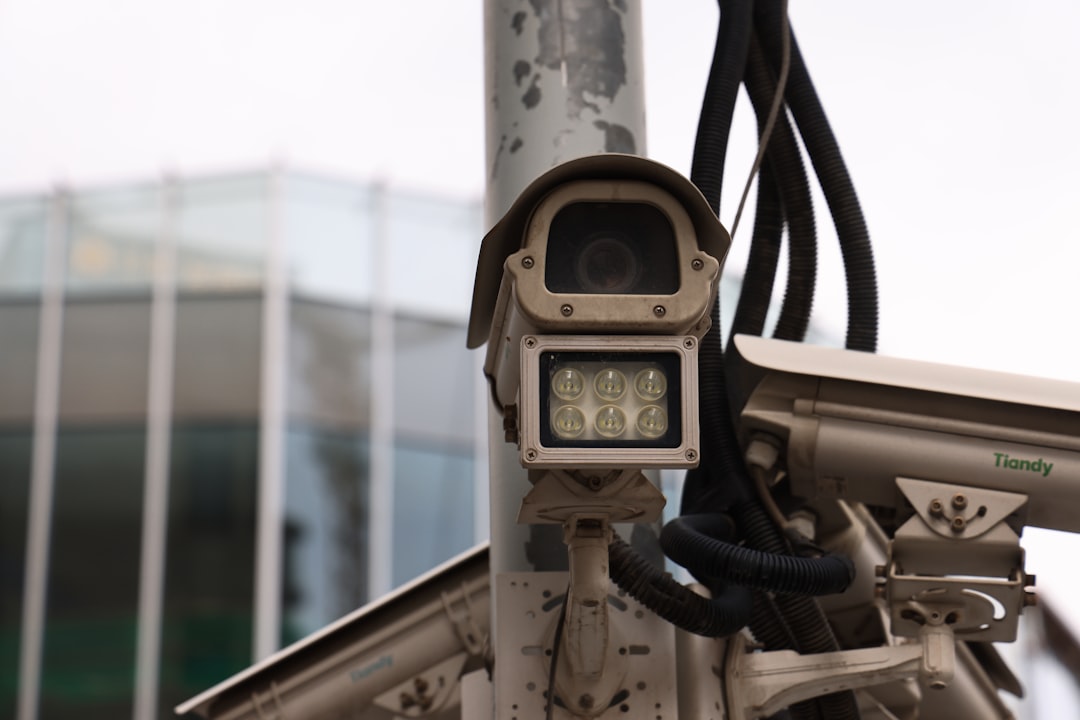
China's law enforcement agencies are in the process of upgrading their vast network of surveillance cameras with cutting-edge artificial intelligence technology. This move is set to significantly enhance the country's surveillance capabilities, allowing for the automatic detection of crowds, suspicious behavior, and unauthorized access. Manufacturers such as Hikvision and Huawei are now providing cameras equipped with built-in computer vision and language models.
These advanced cameras enable police officers to search for specific incidents by simply typing a text query, eliminating the need for manual review of footage. This technology is a significant leap forward from traditional surveillance methods, offering a more efficient and effective way to monitor and analyze video feeds. The integration of AI into China's surveillance apparatus has raised concerns among human rights advocates.
According to Human Rights Watch, this development creates an unprecedented level of behavioral surveillance at scale. The organization's warnings highlight the potential risks associated with the widespread adoption of AI-powered surveillance technology, particularly in a country like China with a complex history of human rights issues. The deployment of AI-powered cameras is part of a broader effort to bolster China's surveillance infrastructure.
With millions of old cameras being upgraded or replaced, the country's police forces are poised to gain an unparalleled level of visibility into the daily lives of citizens. As this technology continues to evolve, it is likely to have significant implications for both public safety and individual privacy. The Decoder was the first to report on this story, highlighting the transformative impact of AI on China's surveillance landscape.
As the country continues to refine its AI-powered surveillance capabilities, the international community is watching closely, grappling with the implications of this technology for human rights and civil liberties.
Source: The Decoder