Drone Pilot Foils ICE's No-Fly Zones
A drone pilot's lawsuit forced the US government to rescind no-fly zones around unmarked, moving ICE vehicles.
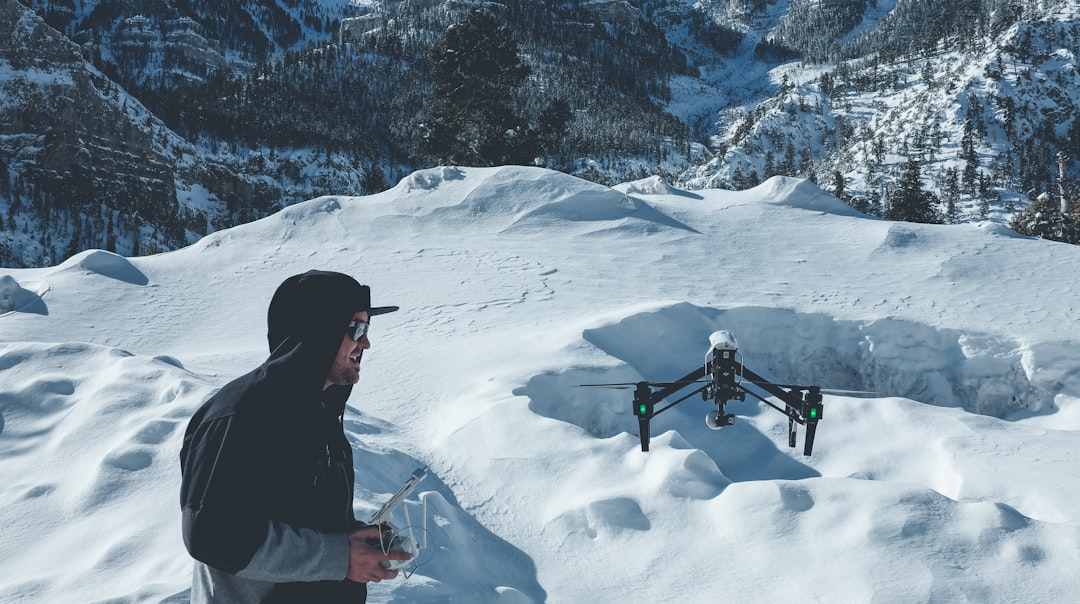
In a stunning reversal, the US government has rescinded its expansion of no-fly zones to include unmarked, moving vehicles belonging to the Department of Homeland Security. The move comes after a lawsuit filed by a drone pilot, who argued that the zones were overly broad and threatened the public's right to fly drones. The controversy began in January 2026, during a period of heightened tensions over immigration raids in Minneapolis.
Federal agents shot and killed 37-year-old Renee Good, a mother of three, and quickly labeled her an "anti-ICE rioter" who had "weaponized her vehicle against law enforcement" in an "act of domestic terrorism." However, this characterization was made before all the facts had been gathered. In response to the incident, the Department of Homeland Security announced on January 16 an expansion of "no-fly zones" around federal facilities, ostensibly to enhance national security. The new zones prohibited drones from flying within 3,000 lateral feet and 1,000 vertical feet of these facilities.
But in a bold move, the order also extended no-fly zones to ground vehicles belonging to DHS, including those that were unmarked, in motion, and traveling on undisclosed routes. The drone pilot's lawsuit challenged the legitimacy of these expanded no-fly zones, arguing that they represented an overreach of government authority. While the government had previously established no-fly zones to control aircraft, the new rules threatened to severely restrict the use of small drones.
By rescinding the expansion, the government has acknowledged the need to balance national security concerns with the public's right to fly drones. As the use of drones becomes increasingly prevalent, the public and private sectors must navigate the complex issues surrounding their regulation. This case highlights the ongoing debate over the limits of government authority and the importance of protecting individual freedoms in the face of national security concerns.
Source: Ars Technica