This plastic crystal can cool your food and drinks without refrigeration
A new startup, Barocal, has developed a revolutionary cooling technology that uses an inexpensive solid material to heat and cool, potentially disrupting the century-old refrigeration industry.
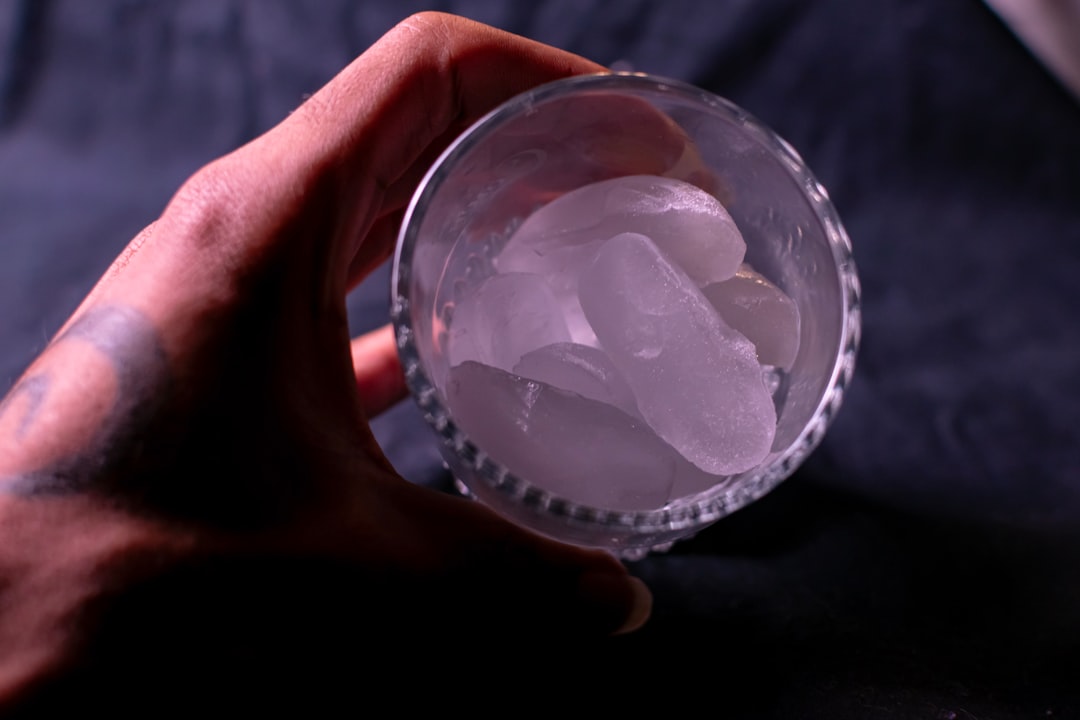
Refrigeration technology has remained largely unchanged for over a century, relying on vapor compression to keep our food and drinks cold. But one startup, Barocal, is hoping to change that with a groundbreaking new approach. The company has developed a cooling technology that uses an inexpensive solid material, potentially offering a more efficient and environmentally friendly alternative to traditional refrigeration.
Barocal's technology is based on research by its founder, Xavier Moya, a professor of materials physics at the University of Cambridge. Moya's work focuses on solid materials that can capture and release heat simply by squeezing and stretching them. He demonstrated this concept with a simple experiment, using a deflated balloon to show how stretching and relaxing a material can generate heat and cold.
The material developed by Barocal is related to an organic compound widely used in various industries, from plastics to paints. When compressed, the molecules in the material stop rotating, reducing their movement and causing the material to release heat. Removing the pressure allows the material to absorb heat.
This technology has the potential to transfer heat efficiently, making it suitable for applications such as refrigeration and heating, ventilation, and air conditioning (HVAC). To prepare its technology for market, Barocal has raised a $10 million seed round from investors including World Fund, Breakthrough Energy Discovery, Cambridge Enterprise Ventures, and IP Group. The company is initially targeting large commercial systems, such as HVAC and refrigerators, where its efficiency gains can have a significant impact on customers' bottom line.
According to Moya, 'We are looking at bigger commercial systems where I think we can make a bigger impact faster.' The benefits of Barocal's technology extend beyond its potential energy efficiency. Because the material is a solid, it eliminates the risk of gas leaks, which can be a significant concern with traditional refrigerants. These gases can contribute to climate change, with some having a global warming potential over 1,000 times greater than carbon dioxide.
As Barocal continues to develop its technology, it may finally bring about a revolution in refrigeration, offering a more efficient, environmentally friendly, and cost-effective alternative to traditional cooling systems.
Source: TechCrunch