The Pope's AI Encyclical Masks a Deeper Warning
Pope Leo XIV's first encyclical, Magnifica Humanitas, warns of the dangers of unchecked power and technology in the hands of a few.
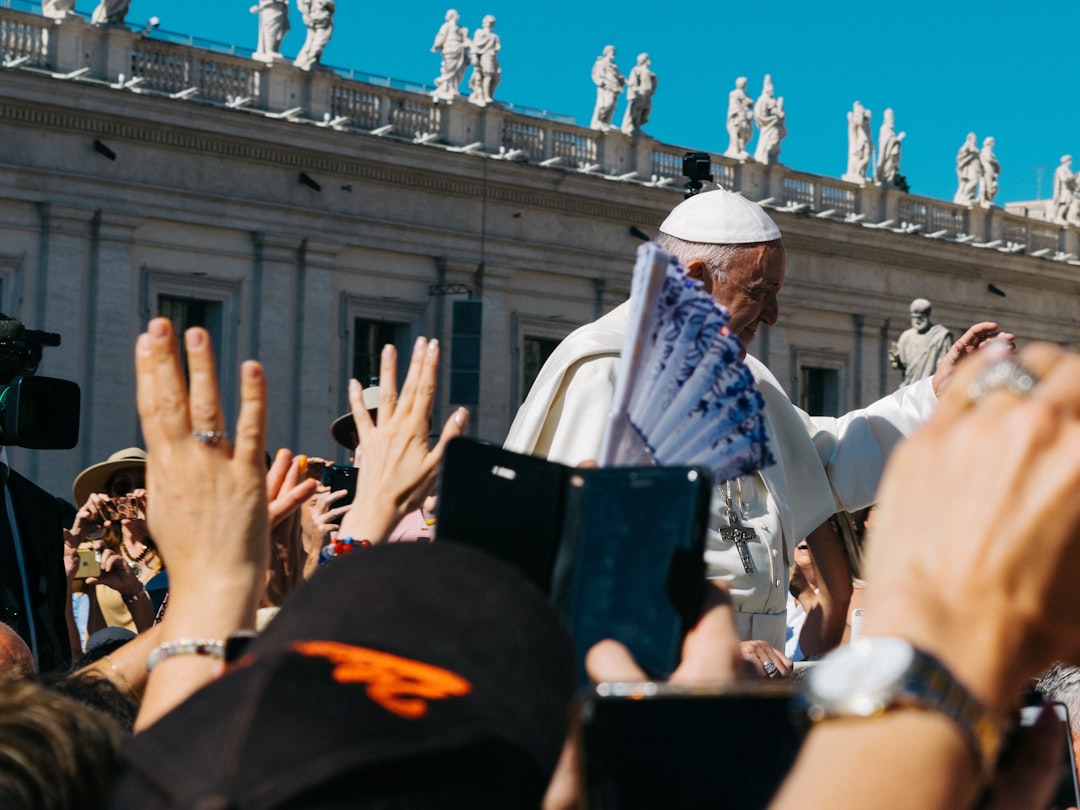
Pope Leo XIV's inaugural encyclical, Magnifica Humanitas, was released on Monday, ostensibly addressing the implications of artificial intelligence on humanity. However, a closer reading of the 200-page document reveals that the Pope's concerns run far deeper than AI alone. At its core, the encyclical grapples with the perennial issues of inequality, war, the erosion of democracy, and the concentration of power in the hands of a select few.
The Pope's central argument is that technology, including AI, developed and governed by a small elite cannot, by its very nature, serve the common good. "When such power is concentrated in the hands of a few, it tends to become opaque and evade public oversight, increasing the risk of distorted forms of development that give rise to new dependencies, exclusions, manipulations and inequalities," he writes. This concern is not unique to AI; rather, it is a symptom of a broader problem that has plagued societies for centuries.
The encyclical highlights the tendency of AI to amplify the power of those who already possess economic resources, expertise, and access to data. This, in turn, enables them to "shape information and consumption patterns, influence democratic processes and steer economic dynamics to their own advantage." In calling for AI to be guided by "clear criteria and effective oversight" rooted in participation from affected communities, the Pope emphasizes the need for accountability and transparency. The document's release comes on the heels of President Donald Trump's decision to delay signing an executive order on AI, which would have given the government oversight over new models before they are released.
This delay, reportedly influenced by VC investor and former White House AI czar David Sacks, underscores the urgency of the Pope's message. Pope Leo XIV's encyclical draws parallels with his predecessor, Pope Leo XIII's 1891 Rerum Novarum, which addressed the concentration of power during the Industrial Revolution. The current Pope's words are also informed by recent events, such as Elon Musk's acquisition of Twitter and the influx of funds from tech elites into super PACs to block AI regulation.
The Pontifical Academy of Social Sciences and Notre Dame Law School professor Paolo Carozza, a member of the Meta Oversight Board, echoes the Pope's concerns, noting that AI-driven misinformation and deepfakes have "corroded our capacity to recognize what's true and what's not true, and that really has consequences for democratic politics."
Source: TechCrunch