The Quest to Preserve Fading Floppy Disks
As floppy disks degrade and their creators retire, a Cambridge University archivist leads a project to rescue data from these aging storage media.
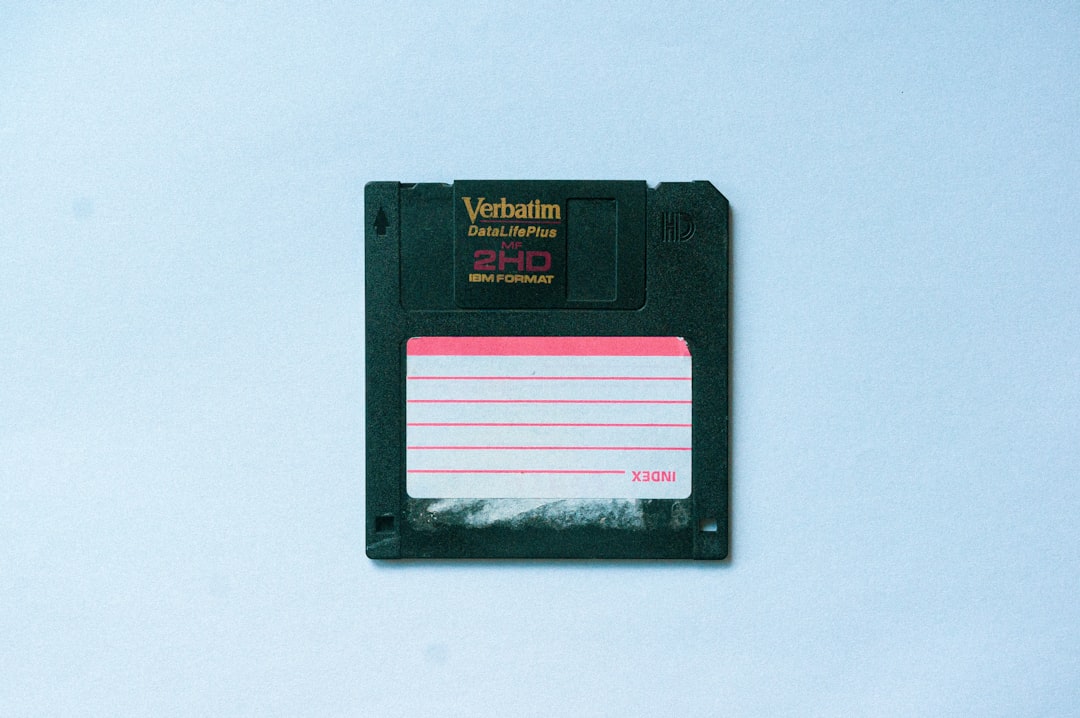
Floppy disks, once a ubiquitous technology, are now on the brink of obsolescence. Many of these aging storage media are degrading, putting the data stored on them at risk of being lost forever. In response, Leontien Talboom, a technical analyst at Cambridge University Libraries and Archives, led a year-long project called 'Future Nostalgia' to preserve floppy disks.
The project, which concluded in January, aimed to transfer material from a wide range of storage media to make them accessible to archivists. Leontien Talboom, an expert in preserving data from obsolete storage media, spoke to IEEE Spectrum about her work on the 'Future Nostalgia' project. According to Talboom, there are two primary reasons why preserving floppy disks is crucial.
Firstly, the physical media is deteriorating due to its plastic and magnetic composition, which is prone to degradation over time. Additionally, many floppy disks have been stored in unfavorable conditions, such as attics or garages, leading to mold growth. Secondly, as the people who developed floppy disks and systems that use them retire or pass away, a wealth of tacit knowledge about these technologies is disappearing.
To gather this tacit knowledge, Talboom turned to the retro computing community, whose members are passionate about preserving old computers and the data they contain. These enthusiasts have extensive knowledge of floppy disks, including quirks specific to certain models. For example, Talboom learned that some older disks have a tendency to stick, which can be resolved by flexing the casing.
This kind of insider knowledge proved invaluable in preserving Cambridge's collection of floppy disks. However, accessing the files on these disks can be challenging, particularly if the file system is not well understood. Talboom noted that many of the personal computers from the 1980s, such as the Amstrad, ZX Spectrum, and BBC Micro, are well documented.
In contrast, material from business or research systems, which are less nostalgic for people, often lack a dedicated community to preserve them. Talboom has developed a fondness for certain types of floppy disks, particularly the 5.25-inch variety. She enjoys the detective work involved in working with unusual systems, finding it both frustrating and fun.
The Amstrad disk, with its unique 3-inch format, has also captured her heart. Interestingly, the popularity of floppy disks varies geographically, with certain formats being more common in specific regions. When it comes to sustainably storing data, Talboom emphasizes the importance of actively maintaining and monitoring the data.
By transferring the data from floppy disks to modern formats and using emulators or other tools, archivists can ensure that the data remains accessible and prevent bit rot. This painstaking work will ultimately help preserve the data stored on these aging floppy disks for future generations.
Source: IEEE Spectrum