Steam Deck Sells Out in North America Within 24 Hours of Price Hike
The Steam Deck OLED has sold out in the US and Canada less than 24 hours after Valve raised its price.
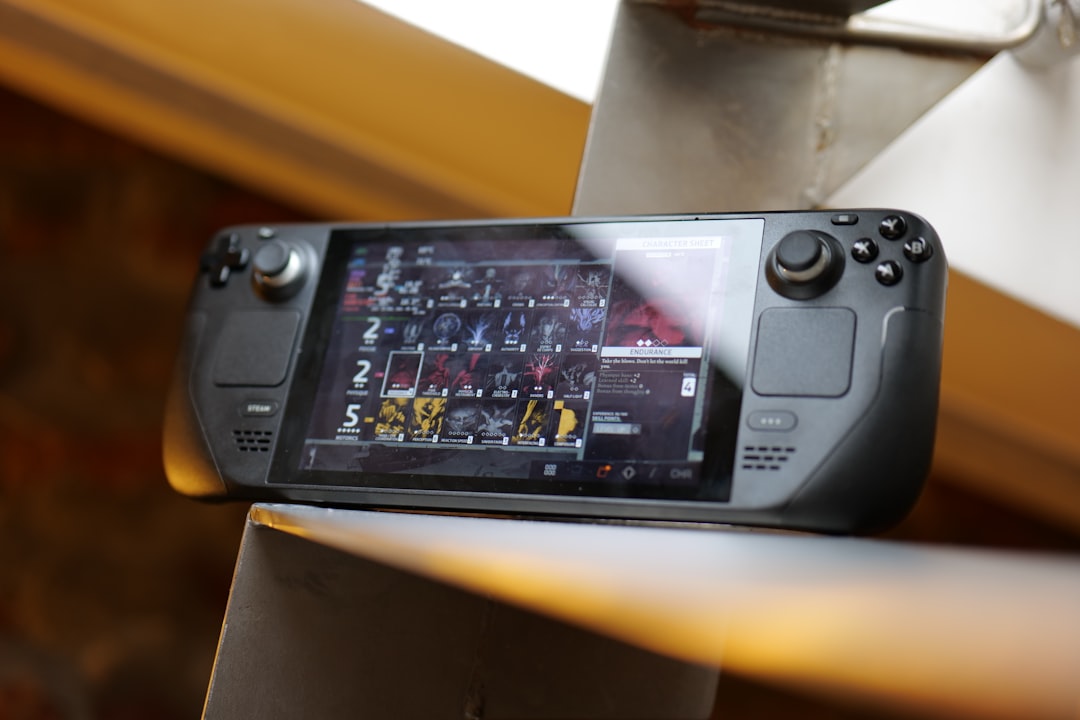
Steam Deck Sells Out in North America Within 24 Hours of Price Hike">
In a remarkably short period, the Steam Deck OLED has sold out in North America, with the handheld console listed as 'out of stock' in the US and Canada just hours after Valve announced its renewed availability at a significantly increased price. The rapid sellout comes as no surprise, given the device's popularity and the fact that it has consistently been in short supply since its release. The price hike, which brought the MSRP of the Steam Deck OLED to $789, appears to have done little to dampen demand for the device.
In fact, the Steam Deck has once again shot to the top of Steam's Top Sellers list, which ranks products based on total revenue over the last 24 hours. However, it's worth noting that the high price point means that the Steam Deck could have sold significantly fewer units than the top-ranked software, the $70 007 First Light. While the Steam Deck remains available for purchase in other regions, including Europe, Australia, and several Asian countries, the device's availability in these areas may be intermittent.
Valve's Steam Deck store page cites 'memory and storage shortages' as the reason for the ongoing stock issues, a warning that was first posted in February. Despite this, stock-tracking websites indicate that availability windows for Steam Deck purchases have been exceedingly brief. The sellout is likely to be a significant blow to gamers who had been waiting to purchase the Steam Deck at the new price.
However, with the device's history of brief availability windows, it's possible that stock will become available again in the near future. Valve's sales partner Komodo continues to sell the Steam Deck in several Asian countries, but it remains to be seen whether the device will remain available in these regions for long. For now, gamers in North America will have to wait until more stock becomes available.
Source: Ars Technica