The Flipper One is the Linux cyberdeck I wish my Raspberry Pi could be
Flipper Devices Inc. unveils the Flipper One, a high-performance Linux platform that can form the basis for various projects, from network analyzers to offline AI projects.
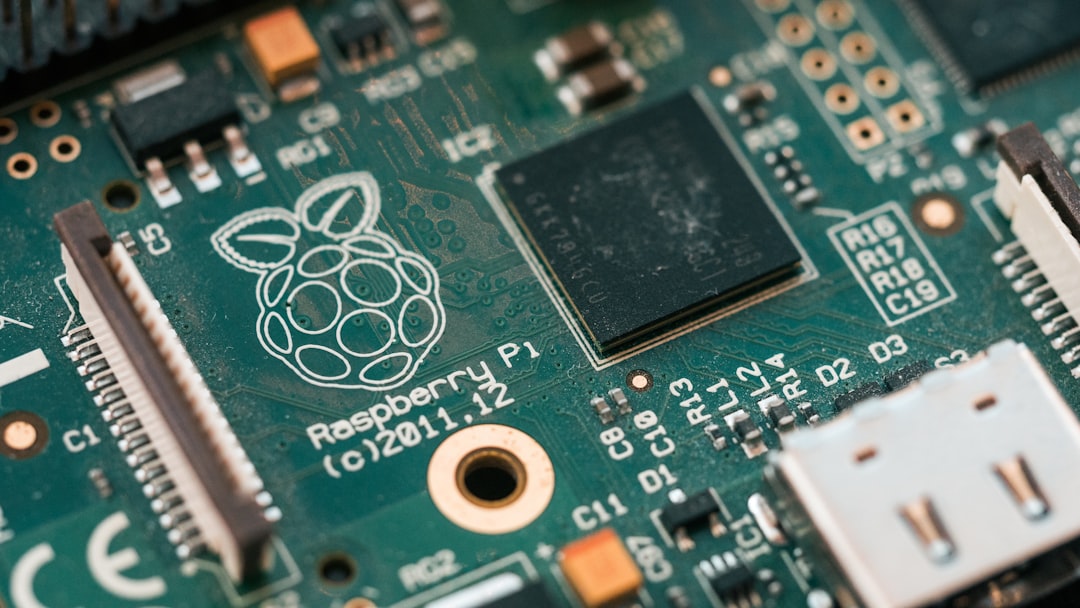
After months of speculation, Flipper Devices Inc., the company behind the wildly successful Flipper Zero, has finally lifted the lid on its next project -- the Flipper One. And if you thought the Flipper Zero was incredibly cool, this will blow you away. The Flipper One is an open -- and when Flipper Devices says open, it means it: full mainline Linux kernel support, absolutely no binary blobs, closed drivers, proprietary firmware, or vendor-locked board support package -- high-performance Linux platform that can form the basis for pretty much anything that you want it to do, from a network analyzer to an SDR (software-defined radio) to an offline AI or LLM project.
Doing all this demands power, and the Flipper One has it. Inside, there's a high-performance 2.2 GHz octa-core RK3576 chipset that features a Mali-G52 GPU and an NPU capable of 6 TOPS (trillion operations per second), allowing you to run local LLMs (large language models -- one of which will be a Flipper One-specific LLM for using the tool). This chipset is fully supported by Linux, and it comes with 8GB of built-in RAM to run the operating system and apps.
The Flipper One is powered by two processors. Running alongside this main chip is a secondary dual-core Raspberry Pi RP2350 microcontroller for handling the basic tasks of the Flipper One, including the display, button interface, touchpad control, LEDs, and power subsystem. In fact, if you don't want to run Linux, the Flipper One can run entirely on the RP2350 chip.
This makes the Flipper One a very power-efficient device when it's not running Linux. There's a lot of hardware packed into the Flipper One. Everything from a 1.4-inch screen, a touchpad, a five-button D-pad, and an M.2 slot that can accept a range of hardware, from cellular or satellite modems, SDR modules, and SSDs (NVMe or SATA) to AI accelerators and Wi-Fi cards.
While the Flipper Zero was aimed at interacting with devices not connected to the internet -- think level zero devices -- the Flipper One is aimed at IP-connected hardware, or level one stuff. To pull this off, it features twin gigabit Ethernet ports (so you have a router or bridge out of the box), Wi-Fi 6E support (something that the Flipper Zero didn't have, and while you could add wireless support, it was pretty primitive), and 5 Gbps Ethernet over USB-C. Wi-Fi is handled by the MediaTek MT7921AUN chipset (the Wi-Fi chip used in the Alfa AWUS036AXML wireless adapter , a very popular pick among security professionals because it's so versatile), which is very popular among hardware hackers and penetration testers because it's fully supported by Linux, and it has advanced features such as monitor mode and packet injection capabilities.
In building the Flipper One, the developers wanted to fix one of the most annoying aspects of the Raspberry Pi platform, and one that's been bugging me for years. Yes, the Raspberry Pi is a very versatile platform. I've had boards that one day are running penetration tests on Wi-Fi networks, and the next day that same board is a router.
Source: ZDNet