A driver of political violence: how the breakneck AI boom is fueling anti-tech extremism
The rapid growth of AI is sparking a backlash that's taking an extremist turn, echoing the tactics of earlier techno-pessimist militants.
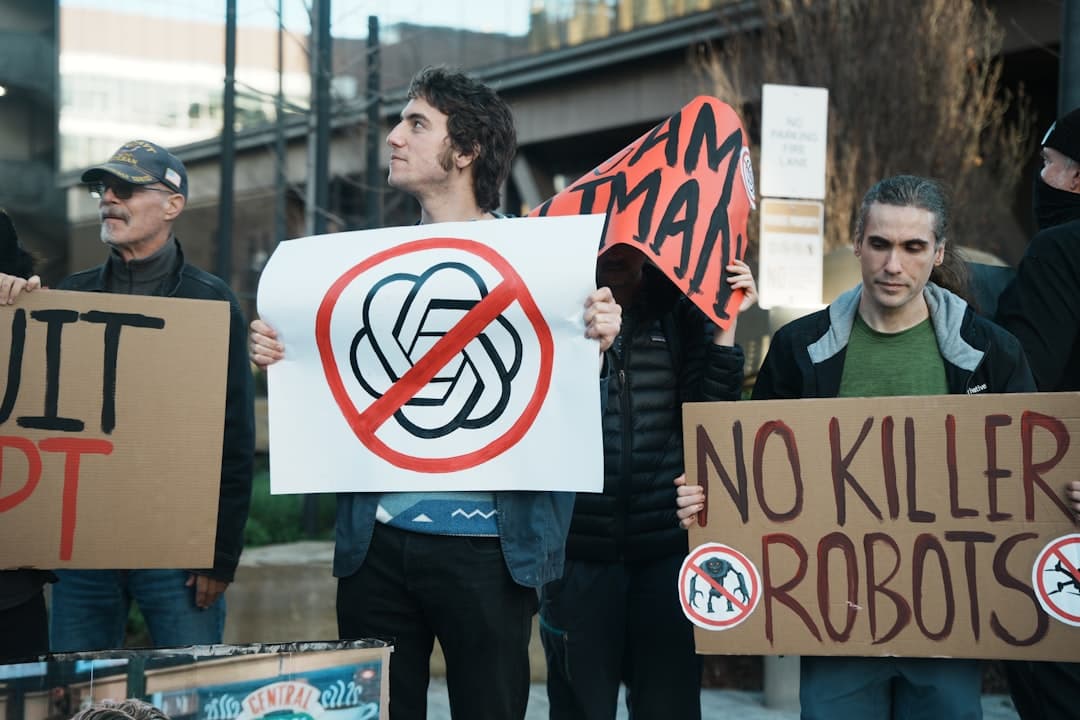
The rapid growth of artificial intelligence is fueling a surge in anti-tech extremism, with a string of alarming incidents that have left researchers, the tech industry, and law enforcement on high alert. This year, a 20-year-old man from Texas was arrested for allegedly attempting to burn down OpenAI's headquarters and Sam Altman's house. During the arrest, authorities discovered an anti-AI manifesto alongside a lighter and a jug of kerosene.
The incident is part of a disturbing trend of attacks that are drawing inspiration from earlier techno-pessimist militants. In April, an Italian Instagram influencer, known for promoting a 'nature pilled' lifestyle, was arrested in Rome and charged with plotting a series of anti-tech attacks. The suspect's motivations were eerily reminiscent of those of Ted 'The Unabomber' Kaczynski, who carried out a series of deadly bombings targeting the tech industry.
The threat of anti-tech extremism appears to be gaining traction. Two self-described 'ecofascists' who carried out a deadly attack on a mosque in San Diego last month cited 'AI slop' and JD Vance's ties to Palantir as motivations for their violence in their manifesto. The incidents are a stark reminder that the backlash against AI is no longer confined to online debates and is now translating into violent action.
The reach of anti-tech extremism is also extending into the world of politics. An Indianapolis city councilor was recently targeted in a brazen attack, waking up to gunshots being fired into his home. The perpetrator left a chilling note that read 'NO DATA CENTERS', highlighting the increasingly violent rhetoric and actions of anti-tech extremists.
As the AI boom continues to transform industries and societies, it's clear that the backlash against it is becoming more extreme. The cases highlighted here demonstrate that anti-tech extremism is no longer a fringe phenomenon, but a growing concern that requires attention from law enforcement, policymakers, and the tech industry itself.
Source: The Guardian Technology