Apple's Siri AI Refrains from Sycophancy
Apple's new Siri AI is designed to avoid sycophancy, unlike chatbots from OpenAI and Google.
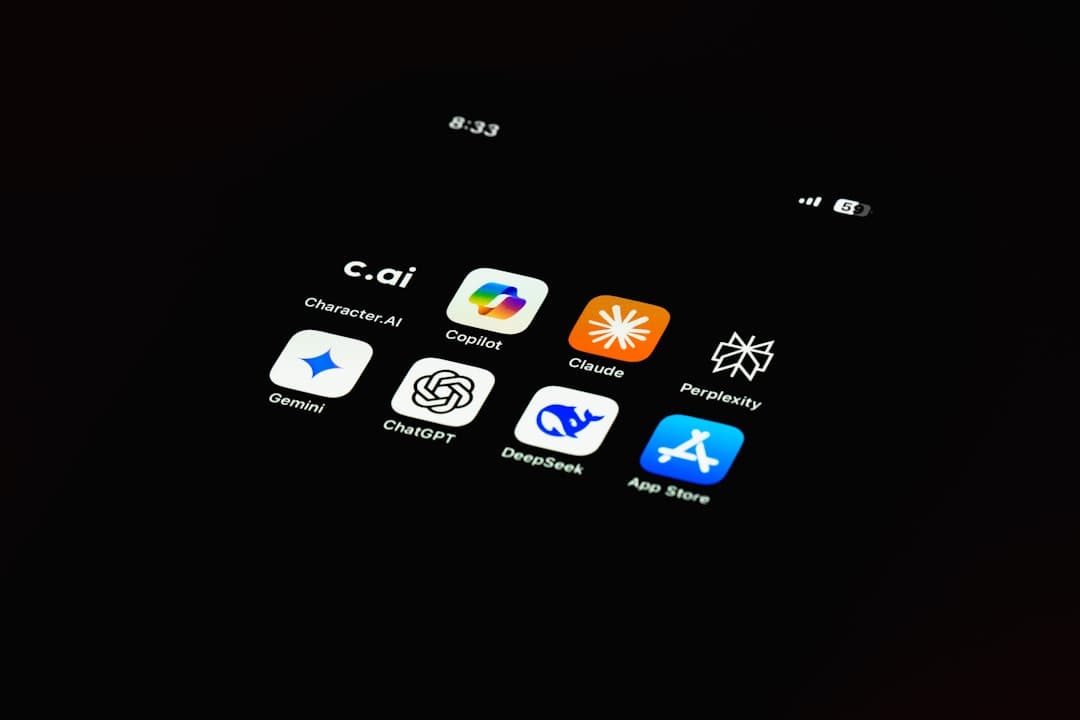
Our early testing has already shown that Siri AI knows when to shut up, and that's very much by design. In an interview with Mostly Human spotted by MacRumors, Craig Federighi said Apple's new Siri won't act all sycophantic like chatbots made by OpenAI, Google, and others. "As you may know, if you use many of the existing chatbots, they're really focused on engagement to a large degree," said Federighi, who is responsible for software at Apple.
"And sycophancy, right? They kind of want to pull you in. They might encourage you to reveal things about yourself, and then use that as a basis to establish a connection." The approach taken by Apple with Siri reflects a different philosophy compared to other chatbot developers.
While companies like OpenAI and Google focus on creating engaging experiences that encourage users to interact with their chatbots, Apple seems to prioritize a more reserved and private interaction. The existing chatbots' focus on engagement and sycophancy raises questions about user data and privacy. Apple's approach with Siri could set a new standard for AI interactions, one that prioritizes user comfort and data protection.
Why this matters: The way Apple's Siri AI handles interactions has significant implications for the broader AI industry. By choosing not to engage in sycophancy, Apple is setting a different tone for AI development, one that prioritizes user comfort and data protection. This approach may influence how other companies design their AI systems, potentially leading to more reserved and private interactions.
For developers, this means rethinking their strategies for user engagement and data collection. For businesses and consumers, it means that AI interactions may become more straightforward and less manipulative. However, it remains to be seen how users will respond to this more reserved approach and whether it will impact the adoption of AI-powered services.
Source: The Verge