Apple's Siri Revamp to Focus on Privacy, Including Auto-Deleting Chats
Apple's upcoming Siri revamp, set to debut at WWDC in June, will prioritize user privacy with features like auto-deleting chats, according to Bloomberg's Mark Gurman.
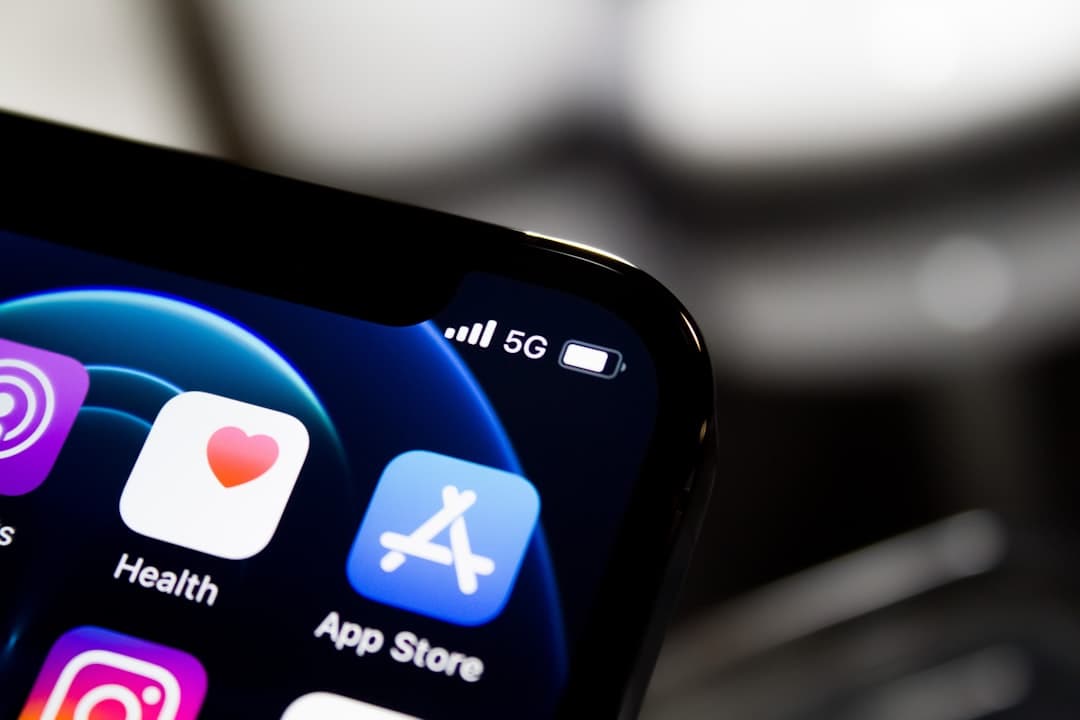
As Apple prepares to unveil a new version of Siri at the Worldwide Developers Conference in June, privacy is expected to take center stage. According to Bloomberg's Mark Gurman, the Cupertino tech giant will emphasize its commitment to user privacy as a key differentiator in the artificial intelligence market. The revamped Siri is seen as Apple's opportunity to regain its footing in the AI landscape.
As part of this effort, Apple executives will tout their more privacy-friendly approach compared to other AI companies, Gurman reported. This new approach will be showcased in the first standalone Siri app, powered by Google Gemini, which will offer users a chatbot experience similar to ChatGPT. However, unlike its competitors, the Siri app is expected to have more stringent limitations on how long user information can be used and stored.
For instance, Gurman suggested that Siri could include a feature similar to the Messages app, allowing users to automatically delete conversations after 30 days or one year — or to keep them indefinitely. By focusing on privacy, Apple may also be attempting to shift attention away from Siri's shortcomings compared to competing products. Furthermore, Gurman's report implies that Google will be handling some of the security aspects, which might be obscured by Apple's emphasis on privacy.
The Siri relaunch is a crucial moment for Apple to reestablish its relevance in the AI market. With its renewed focus on privacy, the company aims to set itself apart from rivals and provide users with a more secure and transparent AI experience. The introduction of this new Siri app, powered by Google Gemini, marks a significant development in Apple's AI strategy, and its success will depend on how well the company balances user experience with its commitment to privacy.
Source: TechCrunch