Chinese Drivers Use $30 Plastic Heads to Fool Tesla's Autopilot
In China, drivers are using tiny plastic heads to trick Tesla's Autopilot into thinking they're paying attention.
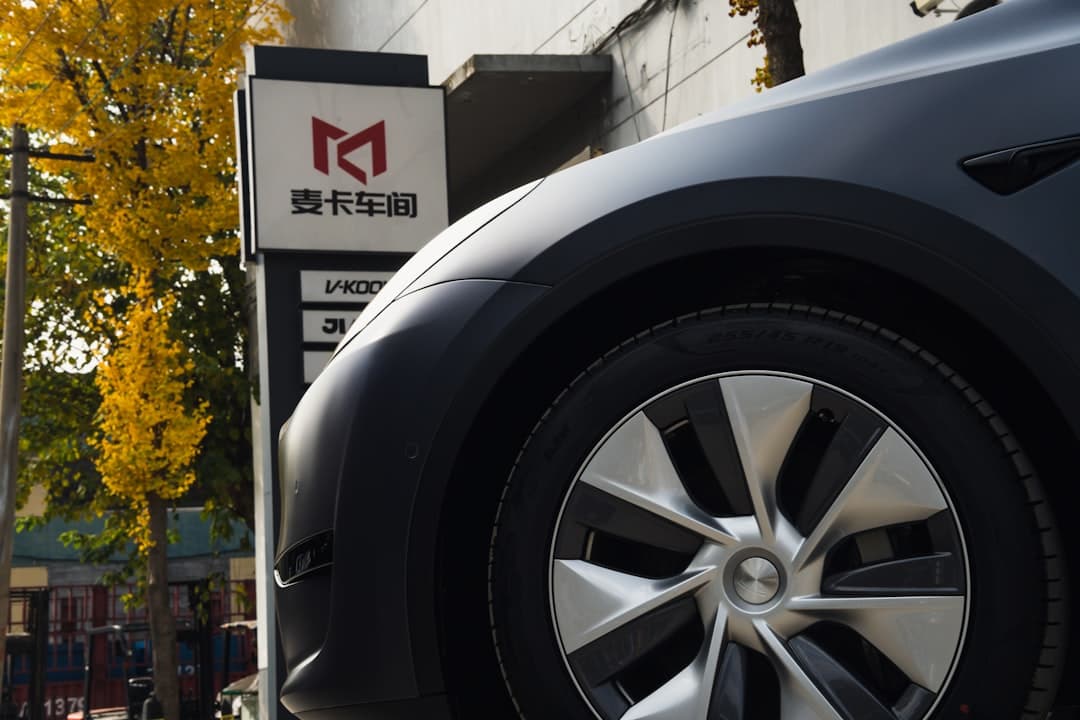
In China, for just $30, drivers can purchase a tiny plastic head, designed to sit above the rearview mirror and trick Tesla into thinking an attentive driver is behind the wheel. These miniature heads, often replicas of celebrities like Dwayne Johnson, can fool Tesla's self-driving system into believing a real person is driving, allowing the actual driver to look away from the road, scroll through their phone, or even doze off. The heads are sold on Chinese ecommerce platforms like Taobao, Xianyu, and Douyin, with prices ranging from $10 to $40.
They come in dozens of varieties, depicting Hollywood or Chinese celebrities, and some appear to be repurposed dolls or figurines. To work effectively, they are carefully positioned to block the actual driver's head and nothing else. One Tesla Model 3 owner in China reported that his miniature head works perfectly.
During a recent 400-mile road trip, he used the fake head for about 250 miles, saying he could go 30 minutes without being interrupted by Tesla's system. In a video, the driver was using one hand to snack on roasted sunflower seeds and another hand to film, while the fake head suctioned to the rearview mirror blocked the camera from seeing any of what he was doing. Tesla's most advanced driver-assistance system, Full Self-Driving (Supervised), is still not available in China.
Drivers in the country can currently only access more basic features for cruise control, autosteering, and autopilot on some urban roads. Because the cars are not fully autonomous, Tesla requires that drivers still pay attention to the road, using a variety of monitoring features to ensure they aren't distracted. Tesla drivers in other markets, including the US, have long searched for ways to get around their car's safety controls.
People have tried everything from wearing sunglasses to make it harder for the camera to track the eyeballs to installing weights on their steering wheel to trick the system into thinking they are still holding on. On Reddit, some users even claimed to have sought out slightly older car models that have less capable cameras and sensors. Why this matters: The use of these miniature heads highlights a vulnerability in Tesla's safety protocols and raises concerns about the potential risks of circumventing driver-assistance systems.
As autonomous driving technology continues to evolve, manufacturers must balance the need for safety with the desire for convenience and flexibility. For developers and businesses, this incident serves as a reminder of the importance of robust testing and validation of safety features. For consumers, it underscores the need for awareness and education about the limitations and potential risks of driver-assistance systems.
Source: Wired