Defining Autonomy for Wellness Robots in Senior Care
Examining socially assistive wellness robots' role in senior wellness and a framework to measure their autonomy.
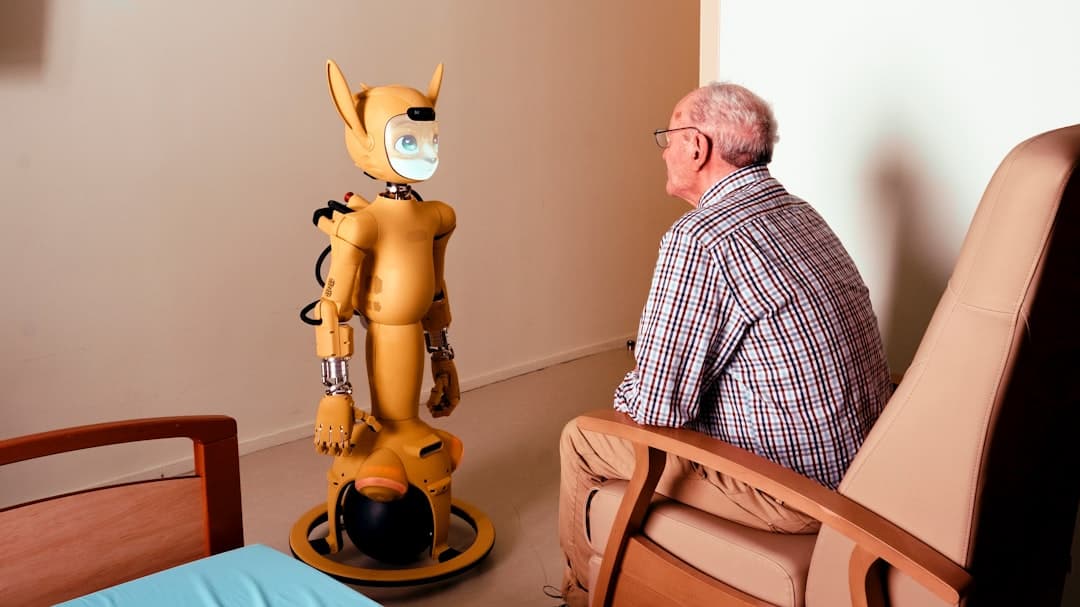
An examination of how socially assistive wellness robots could support the seven dimensions of senior wellness, and how a framework can measure their autonomy. The senior care crisis exceeds incremental automation due to demographic pressure, workforce shortages, and a daily wellness-programming gap that strain traditional care models. Wellness robots are defined as a distinct category, separate from companion and medical devices, by the seven ICAA wellness dimensions and eight properties.
Autonomy in wellness robots can be measured using the CRAS scale, a six-level scale modeled on the SAEJ3016 driving standard, which evaluates four care dimensions. The path to full autonomy involves assessing technical capabilities, clinical evidence, and a three-phase roadmap toward the early 2030s. Why this matters: The integration of socially assistive wellness robots in senior care has significant implications for the industry.
As the senior population grows, traditional care models are struggling to cope with the demand. Wellness robots can fill this gap by providing support across the seven dimensions of senior wellness. However, for these robots to be effective, a standardized framework for measuring autonomy is crucial.
The CRAS scale provides a starting point for evaluating the autonomy of these robots. As the industry moves towards full autonomy, developers and businesses must consider the technical capabilities, clinical evidence, and regulatory frameworks required to ensure the safe and effective deployment of these robots. Consumers, too, will benefit from the increased support and care provided by these robots, but questions remain about their acceptance and adoption.
Ultimately, the successful integration of wellness robots in senior care will depend on collaboration between industry stakeholders, regulators, and the seniors they aim to support.
Source: IEEE Spectrum