EU warns Meta to change 'addictive' Facebook and Instagram design or face fines
Meta must change Facebook's and Instagram's 'addictive' design or face a heavy fine, the EU has warned.
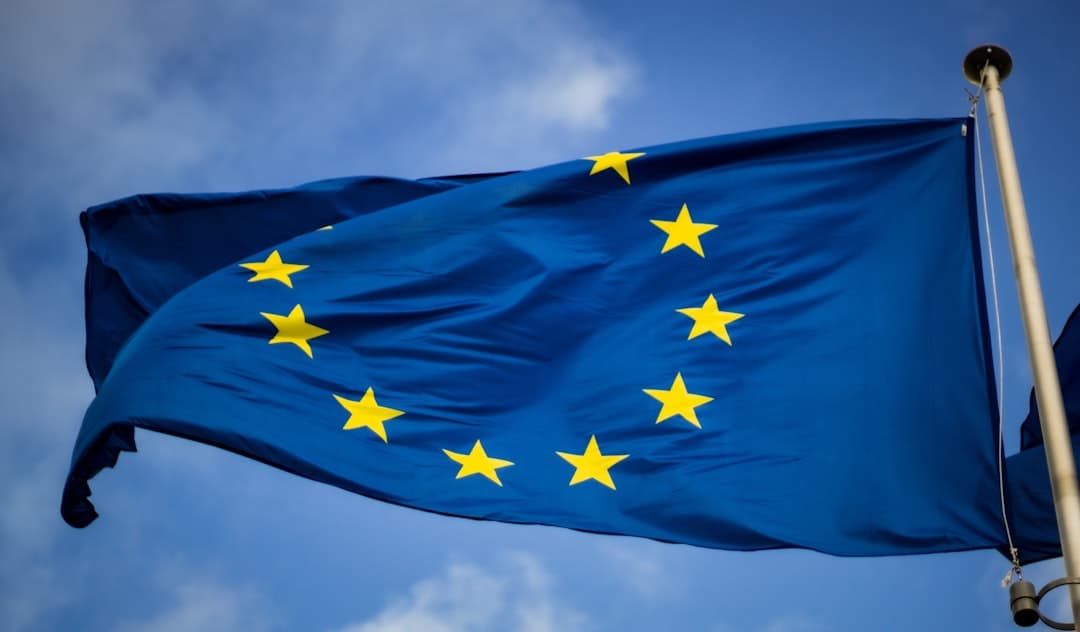
The European Commission has warned Meta that it must change Facebook's and Instagram's 'addictive' design or face a heavy fine. In its preliminary findings, the European Commission said features such as infinite scroll, autoplaying videos and personalised recommendations could encourage 'compulsive use', particularly among children and teens. If Meta does not make suitable changes, it could be fined up to 6% of its total global annual turnover.
A spokesperson for the tech giant told the BBC it disagreed with the findings 'which don't accurately take into account the significant steps we've taken to protect teens'. The Commission said the endless stream of content 'shift the brain into autopilot mode, contributing to unhealthy habits'. The Commission raised concerns about the impact social media platforms may have on younger users.
'Protecting the physical and mental health of Europeans must be a priority for social media platforms,' EU tech chief Henna Virkkunen said in a statement. The Commission said Meta failed to adequately assess the risks posed by how Facebook and Instagram were designed, as well as how long children spend on the platforms, particularly at night. It raised concerns about features such as Reels and Stories, arguing they could contribute to excessive use, and claimed Meta's safeguards do not go far enough.
The Commission criticised Meta's parental controls, arguing they are only effective if parents have the time and technical expertise to understand and use them properly. Meta said it had rolled out Teen Accounts that 'automatically protect teens and put parents in control - allowing them to block access to Instagram at night and cap daily screen time at just 15 minutes'. The tech giant can now review the evidence against it and submit its formal response.
'We share the European Commission's commitment to providing teens with safe, positive online experiences and will continue to engage constructively with them,' a Meta spokesperson said. The EU has in recent months stepped up efforts to force big tech companies to better protect users online, especially children. The findings come ahead of recommendations expected on Monday from an expert panel tasked with proposing new ways to shield children from harmful online content.
The EU is facing pressure to act, with countries including France pushing for a social media ban for minors following Australia's restrictions for under-16s. Why this matters: The EU's warning to Meta signals a significant shift in the regulatory approach to social media companies, with a growing focus on protecting children and teenagers from 'addictive' design features. This move could have far-reaching implications for the industry, as companies will be expected to prioritize user well-being and safety over engagement metrics.
Source: BBC Technology