FAA Orders SpaceX to Investigate Starship V3 Booster Failure
The FAA has ordered SpaceX to investigate the failure of its Starship booster during a May 22 test flight, grounding further test launches until the probe is completed.
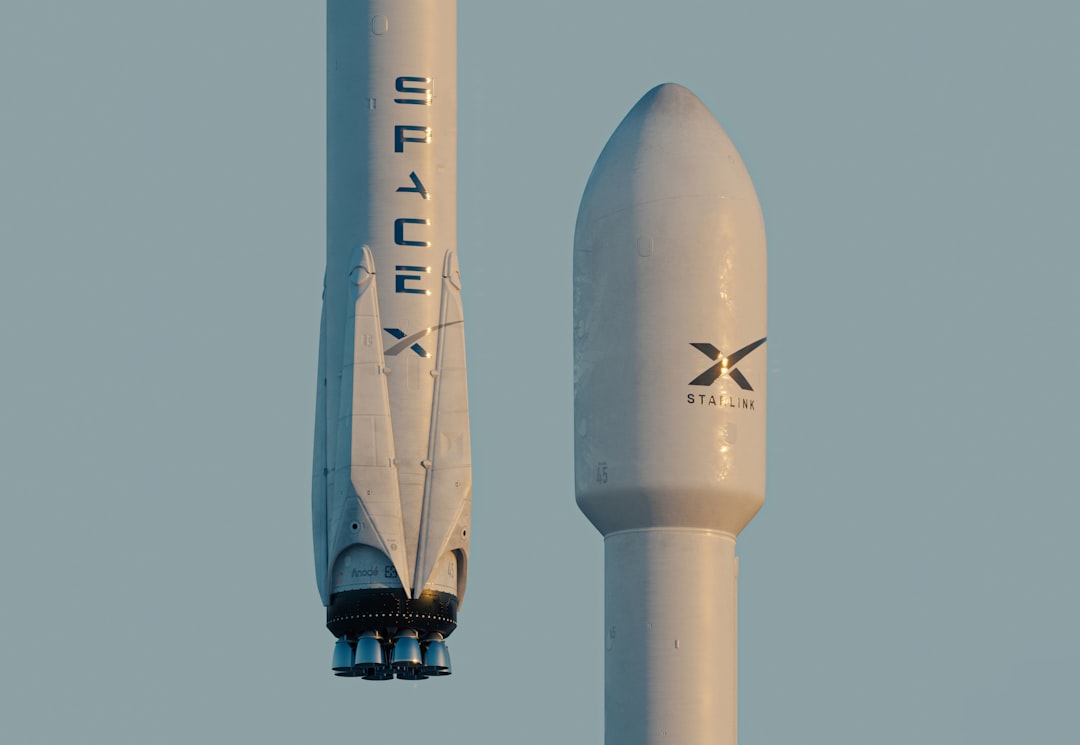
The Federal Aviation Administration has directed SpaceX to investigate the malfunction of its Starship booster during the company's May 22 test flight, according to a statement released to TechCrunch on Wednesday. This development means that SpaceX will have to pause any additional Starship test launches until the investigation is concluded and the results are submitted to the FAA for approval, which diminishes the likelihood of another launch occurring before the company's anticipated IPO in mid-June. The FAA's order comes after a thorough assessment of the operation revealed that the May 22 SpaceX Starship Flight 12 launch resulted in a mishap involving the Super Heavy booster.
The incident occurred as the booster flew back to the Gulf of America after stage separation, with no reports of public injury or damage to public property. The FAA will oversee the SpaceX-led investigation, be involved in every step of the process, and approve SpaceX's final report, including any corrective actions. The issue with the Starship booster arose a few minutes into the flight, which marked the first launch of SpaceX's upgraded version of its super heavy rocket system.
Although the first 'V3' Starship successfully reached space, the booster experienced an apparent engine failure - or a possible series of engine failures - during the sustained burn intended to propel it back toward SpaceX's launch site in South Texas. This led to the booster tumbling down toward the Gulf before likely exploding on impact. SpaceX had made numerous changes to the Starship system in its third version, aiming to make the rocket more reliable than in the previous 11 test flights.
These changes included design tweaks to the booster, the introduction of all-new third-generation Raptor engines, and upgrades to the Starship vehicle itself. However, Starship also experienced its own failure after the booster separated, losing one of its six Raptor engines, which caused SpaceX to abandon one of its testing goals for the flight. The development of Starship is crucial to SpaceX's future growth, particularly in its bid to create a reliable and reusable vehicle like the Falcon 9.
Reusable rockets are essential to reducing the costs associated with sending heavy payloads to space. As detailed in its IPO filing, SpaceX relies heavily on Starship becoming reliable and reusable to continue growing its Starlink service, which is currently the company's biggest revenue generator and only profitable business. The FAA has previously ordered SpaceX to perform multiple mishap investigations during the development of Starship.
The federal agency also ordered SpaceX rival Blue Origin to conduct similar investigations as that company develops its own heavy-lift rocket, New Glenn. Just last week, the FAA cleared New Glenn to fly again, with Blue Origin expected to attempt its fourth New Glenn launch in the next month or so.
Source: TechCrunch