FCC Proposal Aims to Restrict Burner Phone Use
FCC proposes new rule to require cellular providers to verify customer identities, threatening anonymity for users of burner phones.
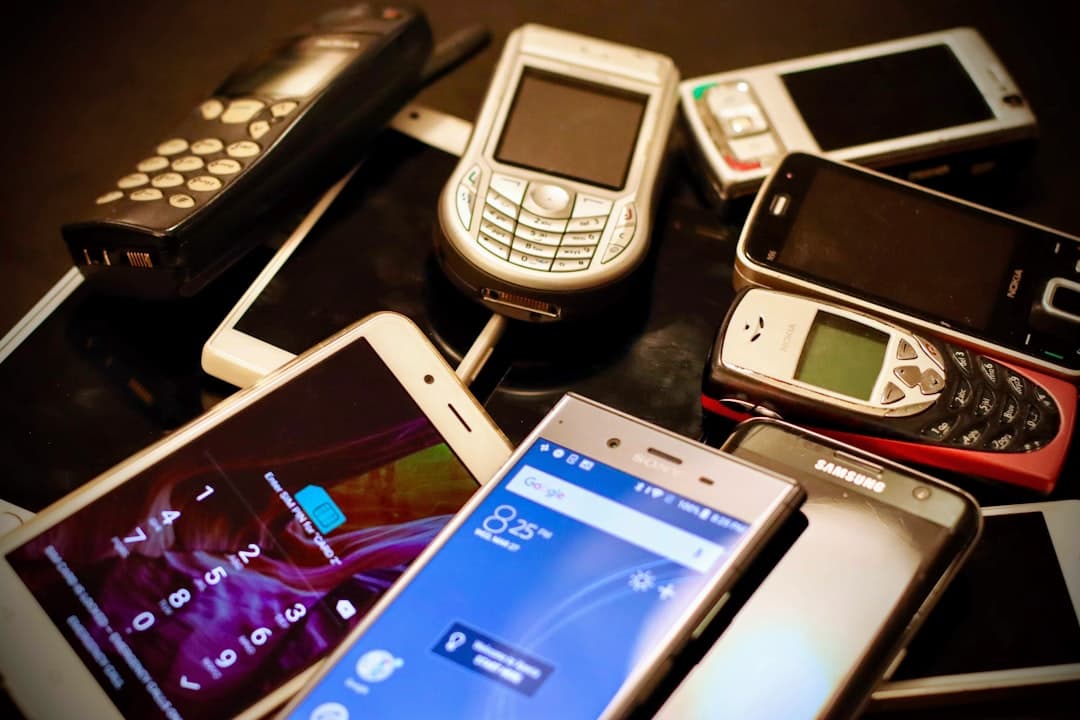
The Federal Communications Commission is seeking to limit the use of burner phones in the US, a move that has sparked concerns among privacy advocates. A new proposal released late last month would implement know-your-customer requirements for cellular networks, requiring providers to obtain and retain customer information, including name, physical address, government-issued identification number, and an alternate telephone number. The proposal is framed as a measure to combat scammers who exploit phone networks, similar to money-laundering laws.
However, critics argue that it would also eliminate a key means of maintaining anonymity for individuals such as journalists, whistleblowers, and activists who may need to evade phone surveillance. The proposed rule would apply to both new and renewing customers, and would require cellular providers to retain the collected information. This has raised concerns about the potential for increased surveillance and data collection by authorities.
The FCC's proposal comes at a time when digital anonymity is becoming increasingly difficult to maintain. If implemented, the new rule could significantly limit the ability of individuals to obtain phone numbers without revealing identifying information. The proposal is still in its early stages, and it remains to be seen how it will be received by lawmakers and the public.
One thing is clear, however: the FCC's move has significant implications for the future of phone privacy in the US. Why this matters: The FCC's proposal has far-reaching implications for individuals and groups who rely on burner phones to maintain their anonymity. For journalists, whistleblowers, and activists, the ability to communicate without being tracked is crucial to their work.
The proposal also raises questions about the balance between national security and individual privacy. As the US government continues to grapple with the challenges of modern surveillance, the FCC's proposal is likely to spark a heated debate about the limits of government oversight and the importance of protecting individual rights. Developers and businesses that rely on anonymous phone numbers for their services may also need to adapt to new regulations, potentially altering their business models.
Ultimately, the FCC's proposal highlights the ongoing tension between security concerns and the need to protect individual freedoms in the digital age.
Source: Wired