GM Enters Energy Storage Market with Sodium-Ion Battery Chemistry
General Motors is entering the energy storage market with a new sodium-ion battery chemistry aimed at stationary storage applications.
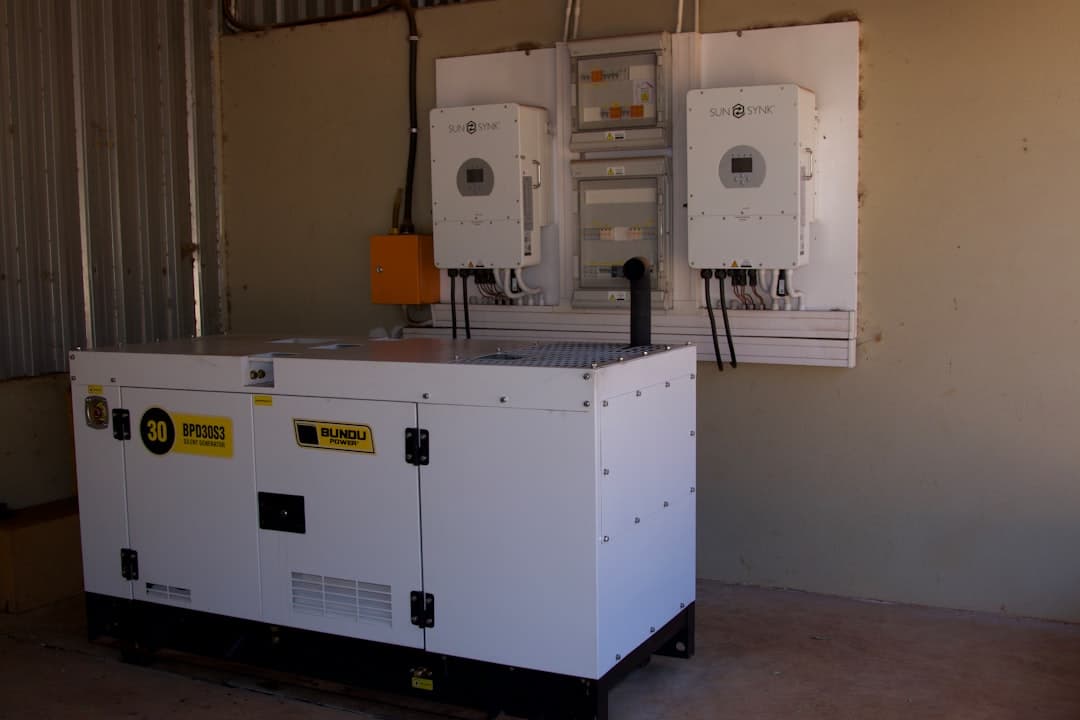
GM Enters Energy Storage Market with Sodium-Ion Battery Chemistry">
General Motors is entering the energy storage market with a new sodium-ion battery chemistry aimed at stationary storage applications. The move follows in the footsteps of Tesla and Ford, which have already made significant inroads in the market. The energy storage market has been growing rapidly, with sales of large, stationary batteries doubling in the past two years.
The Solar Energy Industries Association expects annual installations to exceed 110 GWh per year by 2030, about double what they are today. Kurt Kelty, vice president of battery and sustainability at GM, said, 'There's a lot of potential for this market.' GM's new battery chemistry uses sodium-ion, which Kelty and his team point to as having several strengths, including cheap and abundant materials, no need for an active cooling system, and the ability to withstand many more charge-discharge cycles than lithium-ion batteries. The market is being driven higher by the convergence of three trends: the expansion of data centers being built to serve AI, the electrification of entire swathes of the economy, and the growth of renewable energy.
Data center energy demand is expected to nearly triple by the end of the decade. Tesla has taken the lion's share of the energy storage market, responsible for 82% of the 57 gigawatt-hours installed last year. The company's annual revenue from energy generation and storage has doubled since 2023, largely due to growth in Megapack and Powerwall installations.
GM's first major product, the sodium-ion cells, won't be ready until later this decade. Kelty said, 'We're going to develop a family of cells that is appropriate for this market.' The company is also developing an entirely new chemistry, lithium-manganese-rich (LMR), that's set to debut in 2028 and could disrupt the automotive industry. The risk in moving more deliberately than its competitors is that the AI bubble bursts, data center construction halts, and GM misses the wave.
However, Paul Menson, director of energy storage commercialization at GM, thinks the bet on sodium-ion will pay off even if that happens. 'No market grows indefinitely forever,' he said. 'That's why you have to have the best product.' Kelty has a sense of urgency, saying, 'We're actually exploring other ways to get in the market faster.
We're definitely going to try and go as fast as possible.' Why this matters: The entry of General Motors into the energy storage market with a new sodium-ion battery chemistry has significant implications for the industry. As data centers continue to expand and the economy becomes increasingly electrified, the demand for stationary storage solutions will only continue to grow. GM's move into this market could potentially disrupt the dominance of Tesla and other players, and the company's focus on sodium-ion chemistry could provide a more cost-effective and sustainable solution.
Source: TechCrunch