GM Enters Energy Storage Market with Sodium-Ion Battery Partnership
GM partners with Peak Energy to develop sodium-ion batteries for grid-scale energy storage, joining Ford and Redwood Materials in the emerging market.
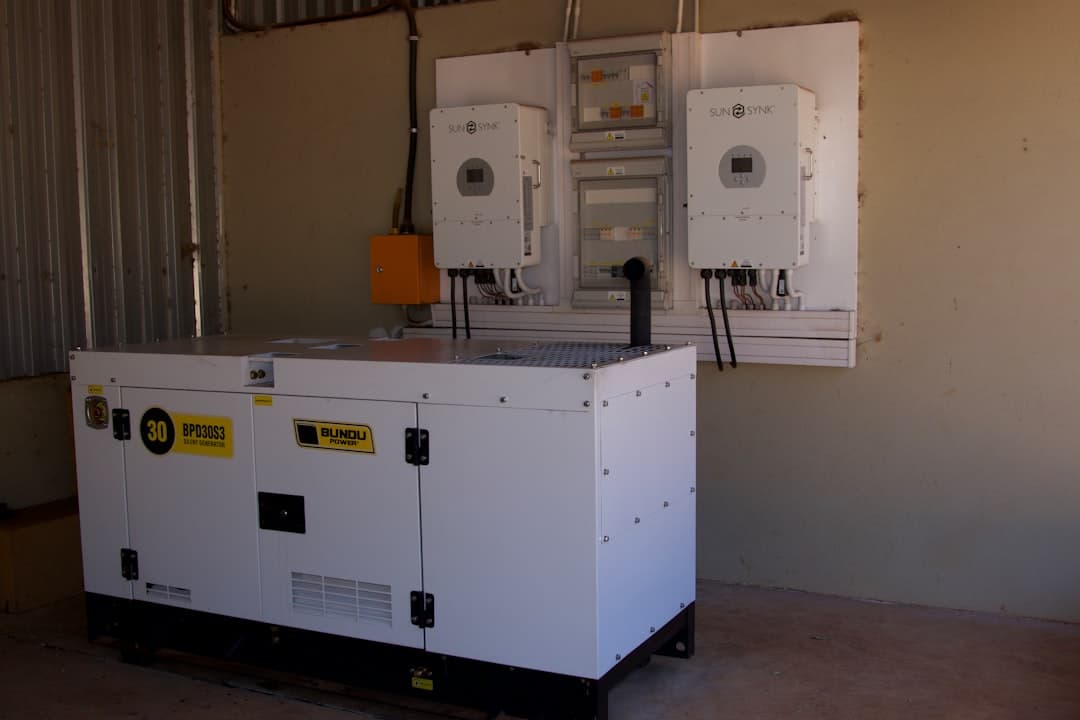
The race to secure power for AI data centers has spilled over into the automotive world, with GM announcing its own plans for an energy storage system. GM unveiled two new phases in its attack on the energy storage market, including a partnership with energy storage startup Peak Energy. For the partnership, GM is developing an entirely new sodium-ion battery chemistry tailored for grid-scale deployments.
Outside of China, no automaker has announced plans to build sodium-ion cells. The performance characteristics of sodium-ion batteries are well-suited for the energy storage market, according to Kurt Kelty, vice president of battery and sustainability at GM. GM wouldn't share the investment amount for this energy storage effort, but the company has committed $900 million to commercialize new battery chemistries, including a new battery development center.
Sodium-ion batteries work similarly to lithium-ion, but they use different materials to make the cells cheaper, longer lasting, and less prone to overheating. Peak Energy has already been working on energy storage systems that use sodium-ion batteries. The company's grid-scale batteries don't require cooling systems or fire suppression systems due to the reduced risk of overheating.
This setup reduces upfront costs and eliminates costly maintenance, according to Paul Menson, director of energy storage commercialization at GM. GM plans to sell sodium-ion cells to Peak Energy, which will integrate them into its products. However, the first GM cells are expected to enter trial production at the company's Battery Cell Development Center in 2028.
In the meantime, GM will sell lithium iron phosphate (LFP) cells to LG Energy Solution for use in its energy storage systems. GM also announced an expanded partnership with Redwood Materials, a battery recycling and energy storage startup founded by former Tesla executive J.B. Straubel.
GM has a pipeline of around 10,000 packs it's sending to Redwood, and the startup has been operating a 12 megawatt/63-megawatt-hour microgrid using second-life packs at a Crusoe data center in Sparks, Nevada. GM is buying a 7.2 megawatt-hour Redwood system for use at one of its plants in Michigan, which it estimates will save around $3 million over its lifetime. The GM installation is a step forward for Redwood, according to Cal Lankton, chief commercial officer for Redwood.
Data centers and industrial sites like GM's have different use cases for energy storage, but both can benefit from the technology. Ultimately, GM's energy storage efforts make economic sense, according to Kelty. Why this matters: The increasing demand for AI data centers has created a new market for energy storage solutions.
Source: TechCrunch