Google's Nest Thermostat Hits Best Price of the Year
Google's Nest Thermostat is on sale for $79, its best price of the year, offering smart controls and energy-saving features.
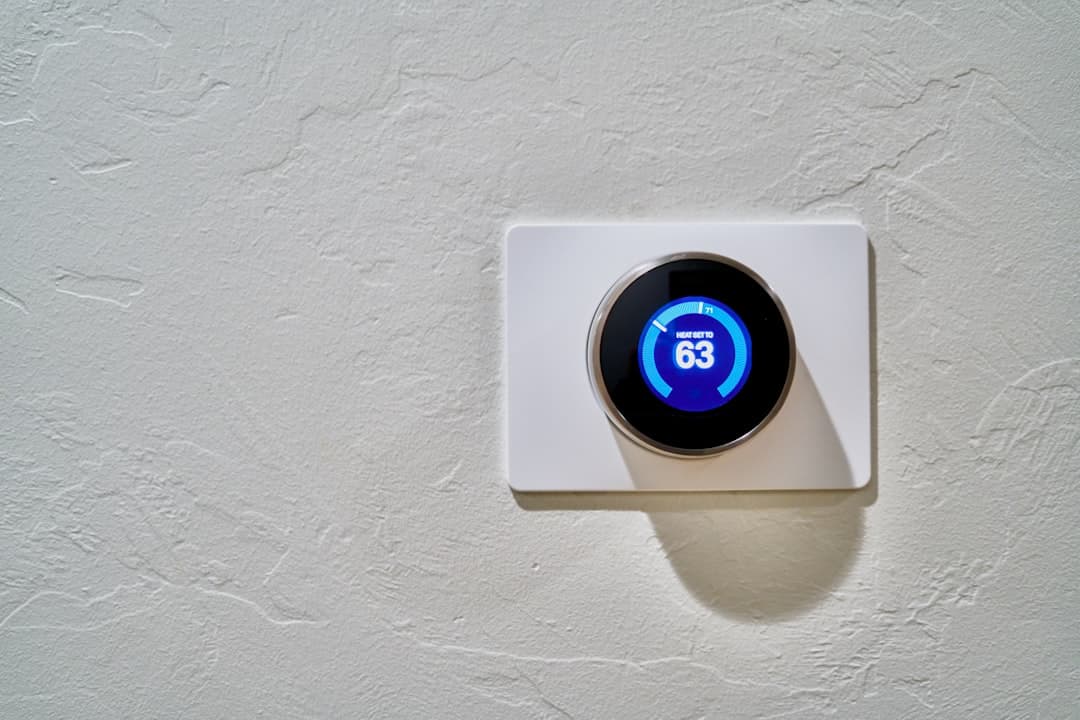
Google's Nest Thermostat can help cut down on cooling costs with its smart controls and energy-saving features. The device is currently on sale in white for $79, $50 off, at Amazon, marking its best price of the year. The smart thermostat is quick to install and allows for easy temperature adjustments through the Google Home app, whether you're relaxing in bed or on your way home.
It also supports voice control through Google Assistant, Alexa, or another Matter-compatible voice assistant, and enables schedule creation. Once set up, the Nest Thermostat automatically turns the temperature down when you're away to reduce unnecessary energy use. Google's Savings Finder feature suggests additional ways to save over time.
The device also monitors your HVAC system and alerts you to potential issues, making it easier to stay on top of maintenance. If eligible, Nest Renew can automatically shift some heating and cooling to times when electricity is cleaner or cheaper. This is Google's entry-level model from 2020, lacking some premium features found on the latest Nest Learning Thermostat.
It won't learn your schedule automatically over time and doesn't support Nest Temperature Sensors, which prioritize temperature in specific rooms. Even so, the Nest Thermostat is a solid investment at this price for those seeking an easy way to adjust their home's temperature remotely and potentially lower energy bills. The Nest Thermostat's price drop has significant implications for the smart home industry, particularly for those looking to reduce their energy consumption.
With its affordable price point and robust features, this device can help consumers save money on their energy bills while also contributing to a more sustainable future. As smart home technology continues to advance, it's likely that we'll see more innovative solutions like the Nest Thermostat emerge, offering users greater control over their energy usage. For developers and businesses, this device's popularity may signal a growing demand for smart home solutions that prioritize energy efficiency.
However, questions remain about the long-term impact of such devices on the environment and the potential for widespread adoption. Will the Nest Thermostat's price drop spark a new wave of smart home adoption, and what are the potential implications for the environment and the energy industry as a whole?
Source: The Verge