Google NotebookLM upgrades with Gemini 3.5 and Antigravity support
Google's NotebookLM gets a major update with Gemini 3.5, new file types, and Antigravity support.
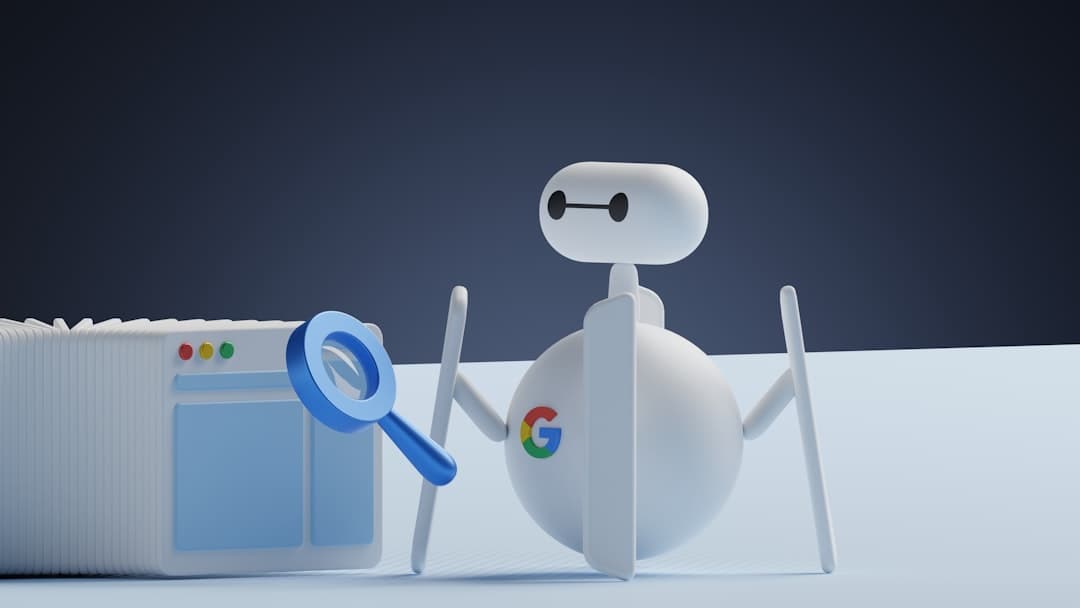
Google's NotebookLM, one of the company's first forays into generative AI technology, is receiving a significant update. The service is moving to the latest Gemini 3.5 model, adding support for more file types, and streamlining web source integration. Google also announced that NotebookLM will be able to handle more queries thanks to embedded support for Antigravity.
Gemini 3.5 Flash was introduced at Google I/O this year, promising faster and more efficient processing. Google claims that companies concerned about token costs can save substantially by switching to the new Flash model while maintaining similar or better output quality. These improvements are now being implemented in other Google products.
NotebookLM, which launched in 2023 at the beginning of the AI boom, allows users to analyze specific sources like documents and webpages with Google's latest AI models. Google conducted evaluations of NotebookLM using the old Gemini 3.1 branch and the updated 3.5 model. The company assessed the tests across five core evaluation dimensions: Accuracy and Quality, Multilingual Support, Large Document Analysis, Document Creation, and Advanced Research.
According to Google, NotebookLM achieved a 65 percent win rate compared to the older model. The integration of Gemini 3.5 and Antigravity support in NotebookLM enhances its capabilities, enabling more efficient and accurate analysis of large documents and web sources. This upgrade positions NotebookLM to better compete in the evolving AI market, where efficiency and quality are increasingly crucial.
Why this matters: The update to NotebookLM with Gemini 3.5 and Antigravity support has broader implications for the AI industry. As companies seek to optimize their AI workloads while minimizing costs, the adoption of more efficient models like Gemini 3.5 Flash is likely to accelerate. For developers and businesses, this means potential cost savings and improved performance in AI-driven applications.
For consumers, enhanced AI capabilities in tools like NotebookLM can lead to more accurate and helpful insights. However, questions remain about the long-term viability of NotebookLM, given Google's history of discontinuing experimental projects. As the AI landscape continues to evolve, the success of NotebookLM and similar services will depend on their ability to adapt and deliver tangible value to users.
Source: Ars Technica