Iran exploited telecoms vulnerabilities to locate US military
Iran abused SS7 and ad tech vulnerabilities to locate US military personnel in the Middle East, according to a report.
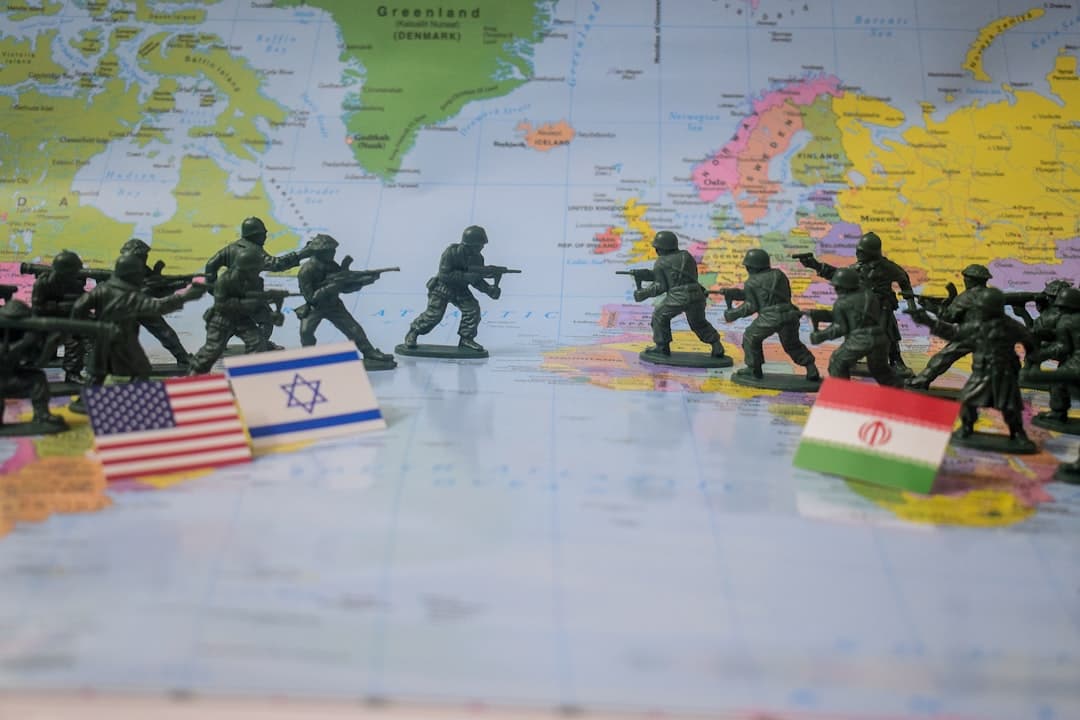
The Iranian government abused well-known vulnerabilities in the global telecoms infrastructure to locate U.S. military personnel in the build-up to the Iran War, as well as in the early days of the conflict, according to the Financial Times. The Iranian government exploited Signaling System 7, or SS7, a set of protocols for 2G and 3G networks that has long been the backbone of how cellular networks connect to each other to route subscribers' calls and texts around the world, the newspaper reported, citing research by the Mobile Surveillance Monitor, as well as anonymous government officials with knowledge of the spy campaign.
Intelligence agencies have long abused SS7 to track cellphones abroad, which is what happened in this campaign. Using this technique, Iran was reportedly able to locate U.S. military forces stationed in military bases as well as hotels in Iraq, Bahrain, and other countries in the Middle East, which allowed the regime to strike them.
These attacks resulted in several injuries. Apart from SS7, Iran also abused advertising technology used to serve tailored ads to cellphone users, another well-known surveillance technique that relies on everyday technology. The exploitation of telecoms vulnerabilities by Iran highlights the ongoing risks to global security and the need for more robust safeguards to protect sensitive information.
This incident demonstrates how easily intelligence agencies can abuse existing technologies to track and target individuals, raising concerns about the potential for similar abuses by other nations. The use of SS7 and ad tech for surveillance also underscores the challenges of securing the complex and interconnected global telecoms infrastructure. As the threat of nation-state attacks continues to evolve, developers and businesses must prioritize the implementation of more secure protocols and safeguards to prevent similar abuses in the future.
The effectiveness of these measures will depend on international cooperation and a deeper understanding of the vulnerabilities that exist in the global telecoms infrastructure.
Source: TechCrunch