Iranian drone may have downed $25 million US Army helicopter
A US Army AH-64 Apache helicopter was hit by an Iranian Shahed drone before going down near the Strait of Hormuz.
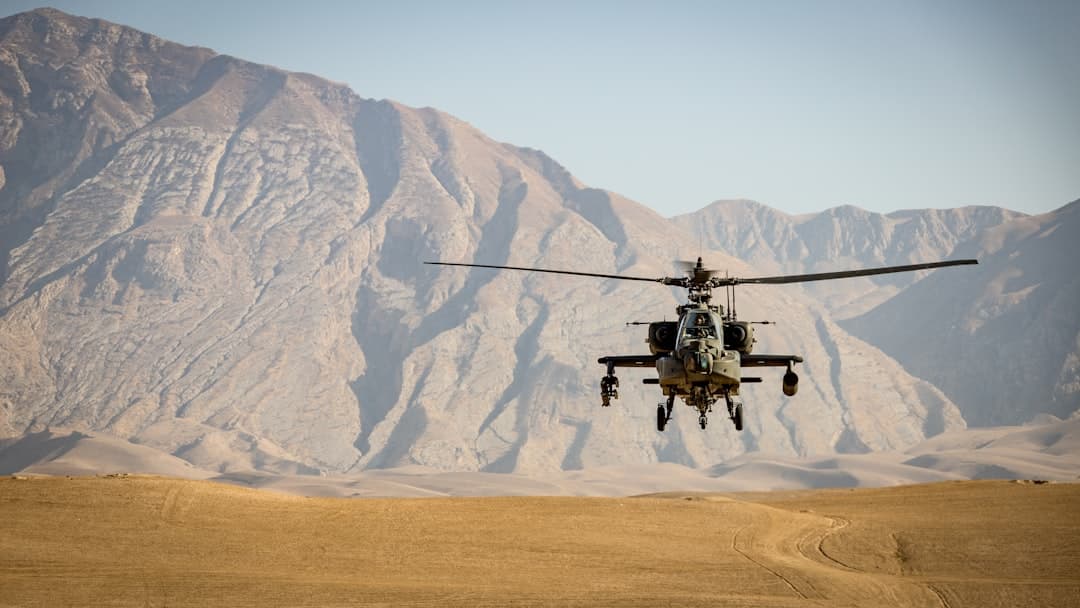
A US Army helicopter gunship was apparently struck by an Iranian Shahed drone before going down near the Strait of Hormuz—but it's unclear whether the one-way attack drone was deliberately aimed or achieved more of a lucky accidental strike. Axios correspondent Barak Ravid first reported an unnamed US government official’s comments that an Iranian drone had hit the US Army AH-64 Apache helicopter before the latter went down on June 8. The New York Times later confirmed that reporting through more anonymous US officials, including one official who said US military investigators were still evaluating whether the Iranian drone strike on the helicopter was intentional or accidental.
Iran has fired thousands of such Shahed drones against a wide range of military and civilian targets in the Gulf region since February 28, 2026, when the United States and Israel began the war by jointly attacking Iran with a barrage of bombs and missiles. But Shahed drones have mainly struck stationary targets such as Amazon data centers and energy facilities, sometimes hitting slow-moving commercial ships in the Strait of Hormuz. Why this matters: The downing of a $25 million US Army helicopter by a relatively inexpensive Iranian drone highlights the evolving threat posed by unmanned aerial systems in modern conflicts.
This incident underscores the need for the US military and its allies to develop effective countermeasures against drone attacks, which can be particularly challenging to detect and intercept. As drone technology continues to proliferate, the risk of such encounters increases, raising questions about the future of military aviation and the tactics, techniques, and procedures required to mitigate these threats. The ambiguity surrounding the intent behind this specific drone strike also raises concerns about the potential for miscalculation or escalation in an already volatile region.
Source: Ars Technica