New Public Lands Grazing Rules Aim to Increase Livestock on 155 Million Acres
The US government is rewriting rules to expand livestock grazing on 155 million acres of public land in the West.
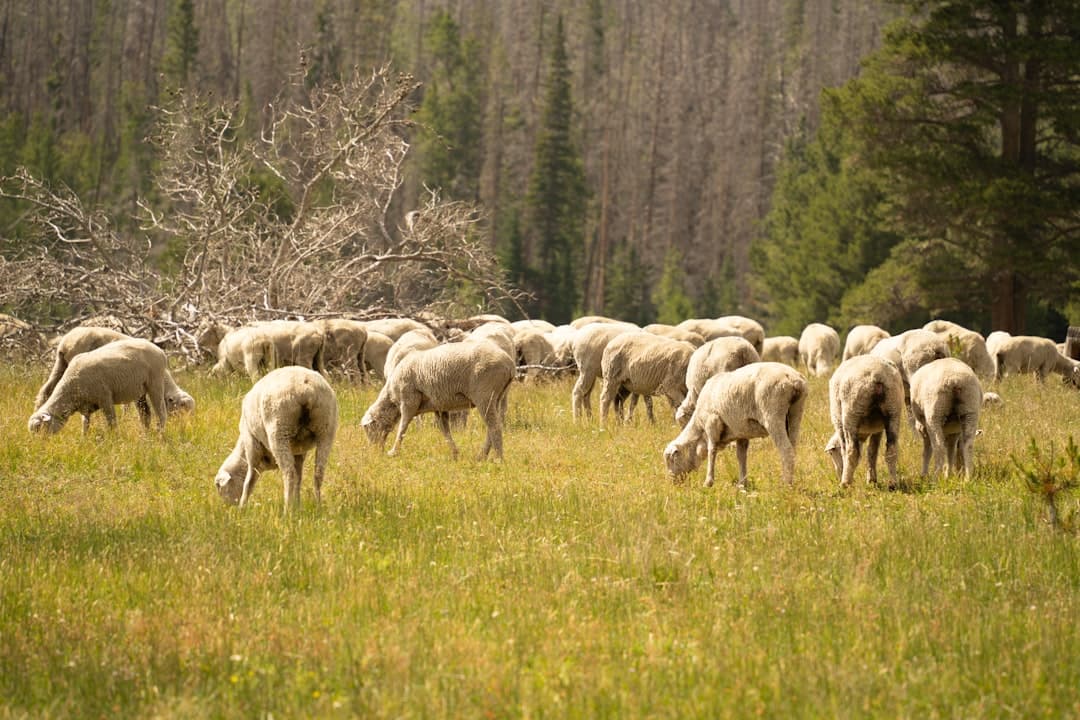
The federal government is rewriting its rules governing ranching on public lands to increase the number of cattle, sheep, and other livestock grazing on 155 million acres in the West, an area twice the size of New Mexico. Public lands grazing is overseen by a nearly century-old system that heavily subsidizes some of the wealthiest Americans while doing little to address its harms to the environment, ProPublica and High Country News found last year. Even though rangeland management experts say overgrazing has degraded public lands, the new rules being drafted by the US Department of the Interior’s Bureau of Land Management—the first overhaul since 1995—would instead expand the practice.
The proposed changes have sparked concern among environmental groups and rangeland experts, who warn that increased grazing could exacerbate soil erosion, harm wildlife habitats, and reduce the lands' ability to sequester carbon. Why this matters: The overhaul of public lands grazing regulations has significant implications for the environment, wildlife, and the livestock industry. If finalized, the new rules could lead to increased degradation of public lands, reduced biodiversity, and heightened risks of soil erosion and climate change.
This move also raises questions about the priorities of the US government in managing public lands, and whether the interests of wealthy ranchers are being prioritized over those of the broader public. As the Bureau of Land Management continues to draft the rules, developers, businesses, and consumers must consider the potential consequences of expanded livestock grazing on public lands, and whether the benefits outweigh the costs to the environment and wildlife.
Source: Ars Technica