OpenAI Gets Government Greenlight for GPT-5.6, Unveils ChatGPT Work
OpenAI receives Trump administration approval for GPT-5.6 public rollout, unveils ChatGPT Work AI agent
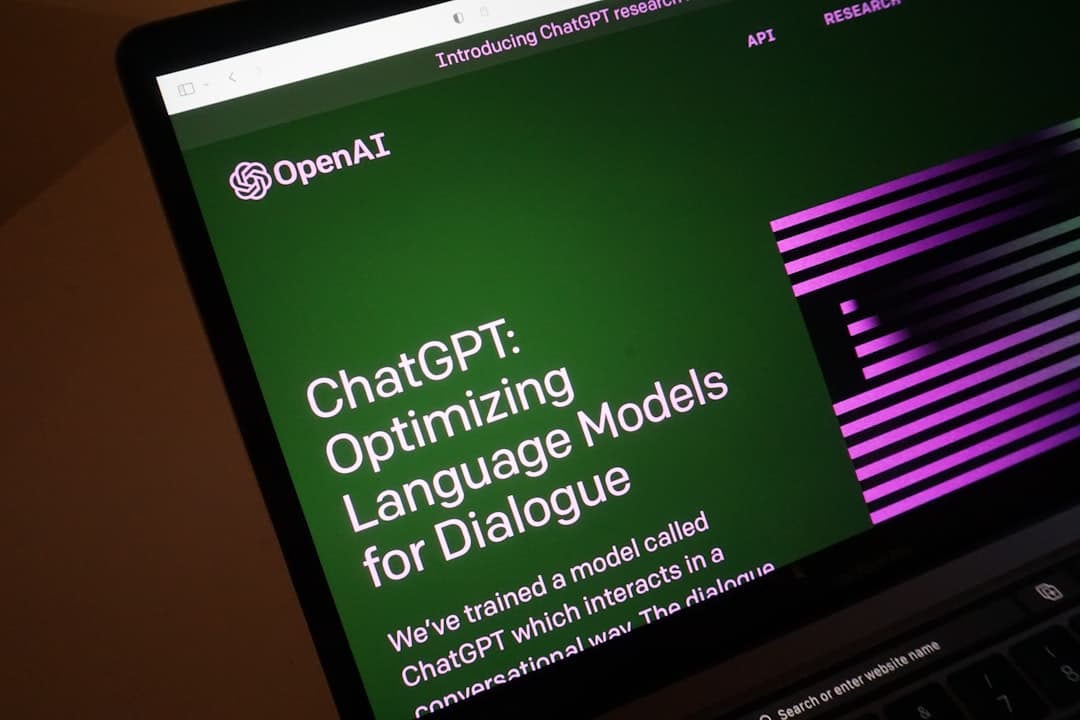
About two weeks after OpenAI's GPT-5.6 was caught up in regulatory drama - rolled out only to government-approved organizations during a "limited preview" period - the company has received the Trump administration's greenlight for a public rollout of the model. OpenAI CEO Sam Altman called it "the best model we have ever produced." To celebrate, OpenAI also unveiled a new AI agent on the same day: ChatGPT Work. It's billed as a combination of ChatGPT and Codex, allowing the everyday non-technical user to take advantage of Codex's capabilities for non-coding tasks, and it's powered by the GPT-5.6 model suite (Sol, Terra, and Luna).
"It can generate text, images, and even code, making it a versatile tool for users," said an OpenAI spokesperson. The approval and launch come as OpenAI continues to push the boundaries of AI capabilities and accessibility. GPT-5.6 and ChatGPT Work are expected to significantly enhance user experience and productivity.
Why this matters: The public rollout of GPT-5.6 and the introduction of ChatGPT Work have significant implications for the AI industry and its stakeholders. With its enhanced capabilities, GPT-5.6 is poised to become a widely-used model across various sectors, including business, education, and healthcare. ChatGPT Work, in particular, has the potential to democratize access to AI-powered tools, empowering non-technical users to leverage advanced technologies.
As OpenAI continues to innovate, questions arise about the potential impact on the job market, data privacy, and the need for more transparent AI governance. Developers and businesses will need to adapt to these new tools, while consumers can expect more sophisticated AI-powered services. The long-term effects of these developments will depend on how OpenAI and other AI companies balance innovation with responsibility.
Source: The Verge