Pentagon adds Alibaba, Baidu, BYD, and Unitree to list of entities supporting China's military
The Pentagon adds Alibaba, Baidu, EV-maker BYD, and robotics company Unitree to a list of entities supporting China's military.
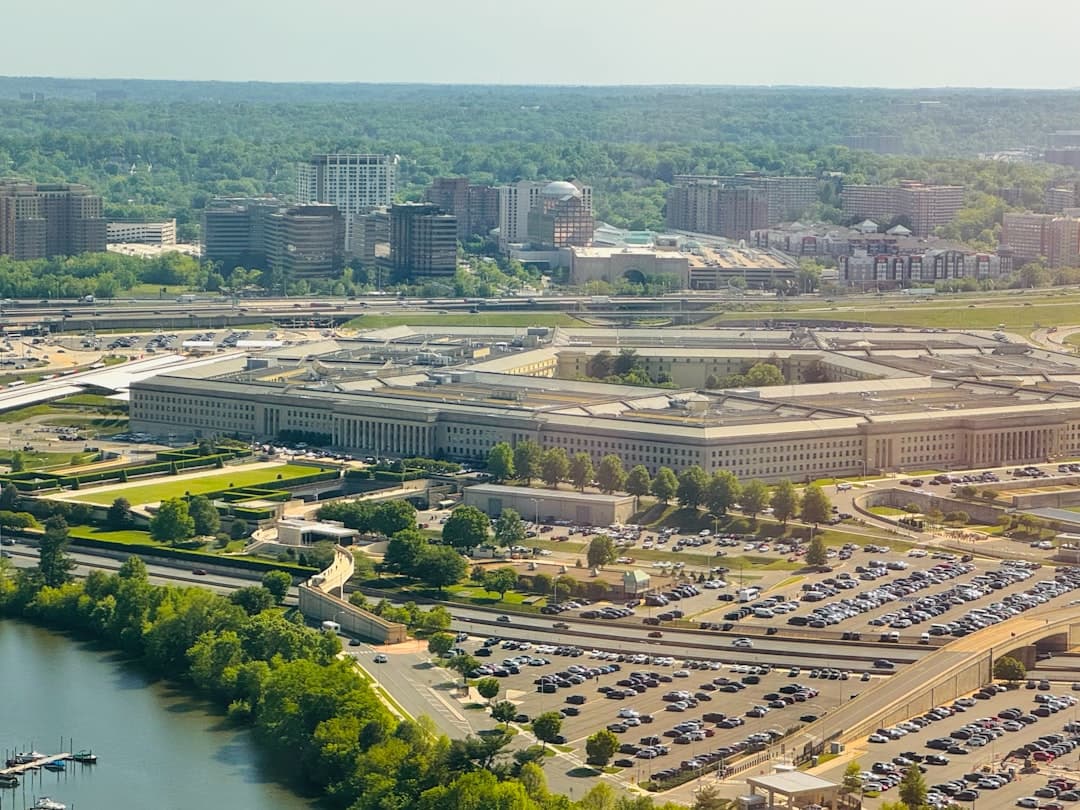
The Pentagon has added Alibaba, Baidu, EV-maker BYD, and robotics company Unitree to a list of entities it says support the Chinese military. The expansion of the list increases the chance that the Department of Defense could make it harder for U.S. companies to do business with these entities.
It's likely to further strain the tension between the U.S. and Chinese governments. The list — known as the 1260H list, for the specific section of the 2021 National Defense Authorization Act that created it — is one tool the U.S.
has used to place restrictions on Chinese tech. President Donald Trump has used tariffs in both of his terms to put pressure on China, including a 100% tax on imported Chinese EVs. This particular update to the 1260H list was briefly published in February, before being pulled from the Federal Register for unexplained reasons.
Most of China's biggest artificial intelligence players are now on the list, with Tencent added last year. This comes as Trump has said he's weighing whether the U.S. should take equity stakes in the country's top AI companies.
The updated list now includes 188 companies. The Pentagon added a handful of automotive industry players to the list this year. In addition to BYD, EV company Nio and battery companies CALB Group and EVE Energy were added.
Robosense, one of China's leading makers of lidar sensors, has joined its rival Hesai on the list, too. Baidu is also one of China's leaders in autonomous vehicles. Alibaba, Baidu, BYD, Nio, and Robosense did not immediately respond to requests for comment.
The inclusion of these companies on the 1260H list has significant implications for the broader tech industry. The U.S. government's increasing scrutiny of Chinese companies' ties to the military is likely to lead to more stringent regulations and restrictions on U.S.-China tech trade.
This could impact not only the companies listed but also their partners and suppliers. For developers and businesses, this means a more complex and uncertain environment for working with Chinese entities. As tensions between the U.S.
and China continue to escalate, it remains to be seen how these restrictions will evolve and what further actions the U.S. government will take. Open questions include how the Biden administration will approach these issues and what responses China will make to the increasing pressure from the U.S.
Source: TechCrunch