Russian Satellites Suspected of Jamming GPS Across Europe
Russian satellites linked to brief GPS interference episodes across Europe.
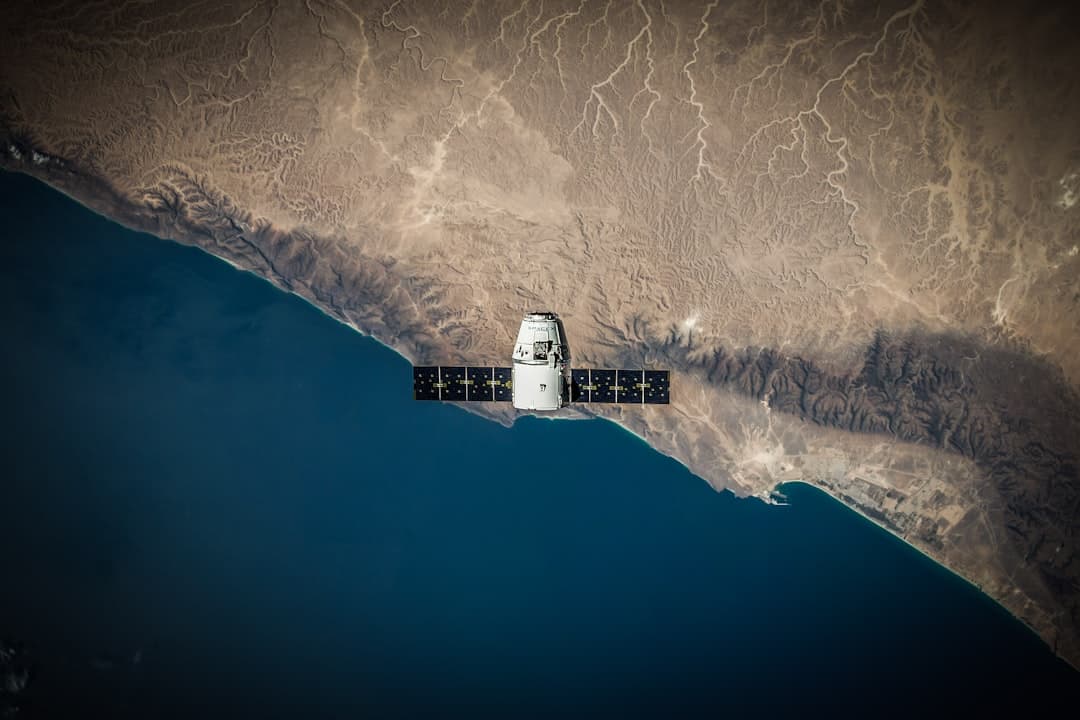
Russian satellites have been identified as the likely source of mysterious, seconds-long bursts of GPS interference across Europe—a rare example of human-made GPS interference coming from space. Uncertainty still surrounds whether such interference is intentional and if it could be more powerfully weaponized as GPS jamming with continental reach in the future. The discovery came from an investigation detailed in a June 2 preprint paper by Todd Humphreys and his student Zach Clements at The University of Texas at Austin, along with Argyris Krizise at Stanford University in California.
By sifting through public data from ground-based stations with global navigation satellite system (GNSS) receivers, they identified a pattern of high-powered interference lasting less than 10 seconds each time but simultaneously detectable by ground stations across Europe from Norway to Spain to Poland, and even reaching as far west as Greenland and Canada. By analyzing the ground station data from January 2019 to April 2026, the researchers found 75 days with at least one widespread GNSS interference event overlapping with the GPS L1 frequency band centered on 1575.42 megahertz. That represents the main band used for signal transmission by the US-made GPS satellite constellation and GNSS constellations from other countries.
The findings suggest a capability to disrupt GPS signals on a continental scale, raising concerns about the resilience of satellite navigation systems. The researchers' analysis relied on publicly available data, indicating that more sophisticated monitoring systems could potentially detect and mitigate such interference. Why this matters: The identification of Russian satellites as the source of GPS interference highlights the vulnerability of satellite navigation systems to intentional disruption.
This capability could have significant implications for global navigation, aviation, and maritime industries, which rely heavily on GPS for accurate positioning and timing. As GPS jamming technology potentially becomes more sophisticated, it may pose a threat to a wide range of critical infrastructure. Developers and businesses will need to prioritize the development of robust countermeasures and mitigation strategies to ensure the continued reliability of satellite navigation systems.
Consumers, meanwhile, may face increased uncertainty and potential disruptions to location-based services. Open questions remain about the intent behind these interference events and the potential for more extensive disruptions in the future.
Source: Ars Technica