Smart Bird Feeders Put to the Test: Which Ones Are Worth the Cost?
Hands-on testing of popular smart bird feeders reveals which models offer the best value for backyard birders.
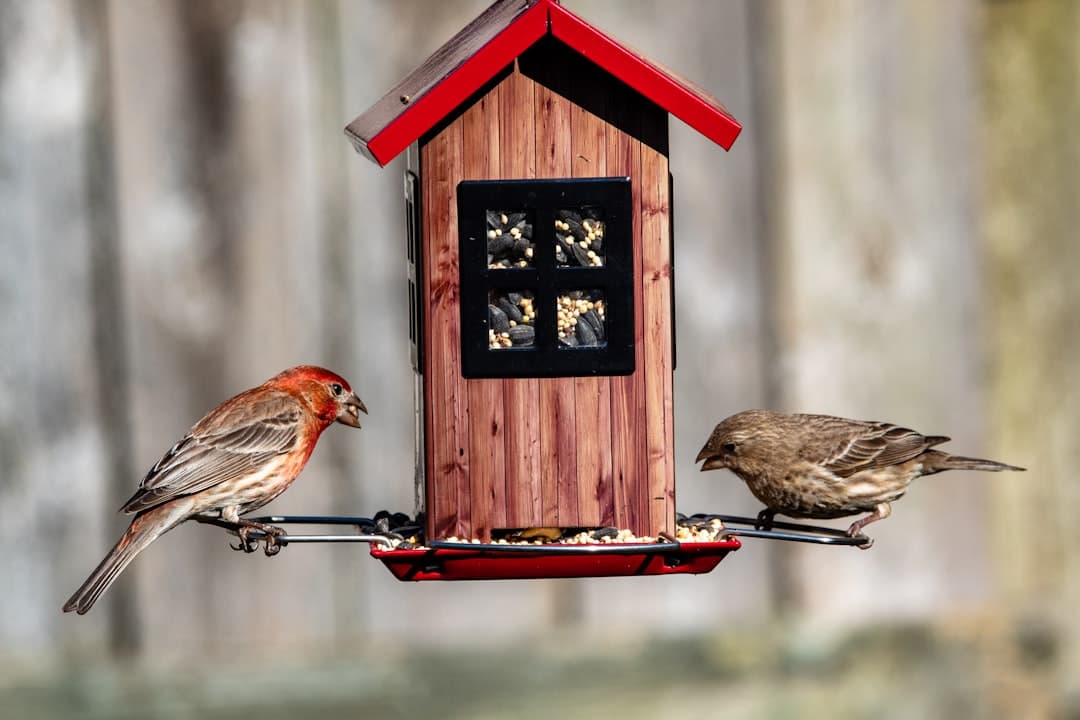
You've probably seen a smart bird feeder or know someone who has one. They're easily recognizable with their clear housing, cameras, and solar panels. Perhaps a friend or family member has sent you a photo or video of a bright goldfinch or handsome woodpecker.
But are these feeders really worth their $100-plus price tag? Are they durable? And what about the squirrel problem?
To answer these questions, I've been testing the most popular smart bird feeders, including Netvue's original Birdfy Lite Feeder and Birdbuddy's Pro, for almost two years—in rain, snow, and heat, and in a yard with persistent squirrels. I've explored the apps and notification settings, examined the photo and video quality, noted which features are hidden behind a subscription paywall, and used Cornell Lab's All About Birds—as well as Google Lens and my own expertise—to verify the accuracy of AI identifications. The recommendations below are what I would buy with my own money, having tested dozens of brands and models for a minimum of four weeks each.
The Netvue Birdfy Lite Feeder, from security company Netvue, was the first smart feeder WIRED tested, back in 2022. At that time, we gave it a 6/10 rating for its high price and wonky AI. Both metrics have improved dramatically since then—Birdfy's app is now the second-most user-friendly on the market, behind only Birdbuddy's, and this feeder is often on sale for $150 or less.
If you pay a little more, you get a lifetime subscription for AI identification, which is a solid deal, especially since the AI's success rate is fairly decent. Without it, it'll cost you $5 a month, but it's not required to get plenty of enjoyment. As a bonus, this feeder is often discounted for Amazon Prime Day and other shopping holidays.
The 1080p camera isn't the best quality you'll find, but it does have one of the widest viewing angles of any smart feeder, at 155 degrees, so you're more likely to get full bird shots, as opposed to just heads and butts. The IP65 plastic construction also makes this feeder durable and easy to clean, and the 50-ounce seed reservoir is super easy to fill with its convenient flip-up top. Not all bundles come with a solar panel, but you can buy one separately.
Unlike with other feeders, the solar panel is not built in and needs to be mounted and connected separately with the included 9.8-foot charging cable. It's not the fanciest feeder on the market, nor the one with the best camera, but the reliability and price point make it the best bet for most backyard birders. Camojojo's original Hibird feeder has long been a reliable model in my testing stable, unique for its ability to run on both 2.4-GHz and 5-GHz Wi-Fi bands—almost all smart feeders are 2.4-GHz only.
Source: Wired