Software Engineers Adapt to AI Disruption
AI disrupts software engineering, leading to layoffs and underemployment, prompting engineers to adapt and maintain their skills.
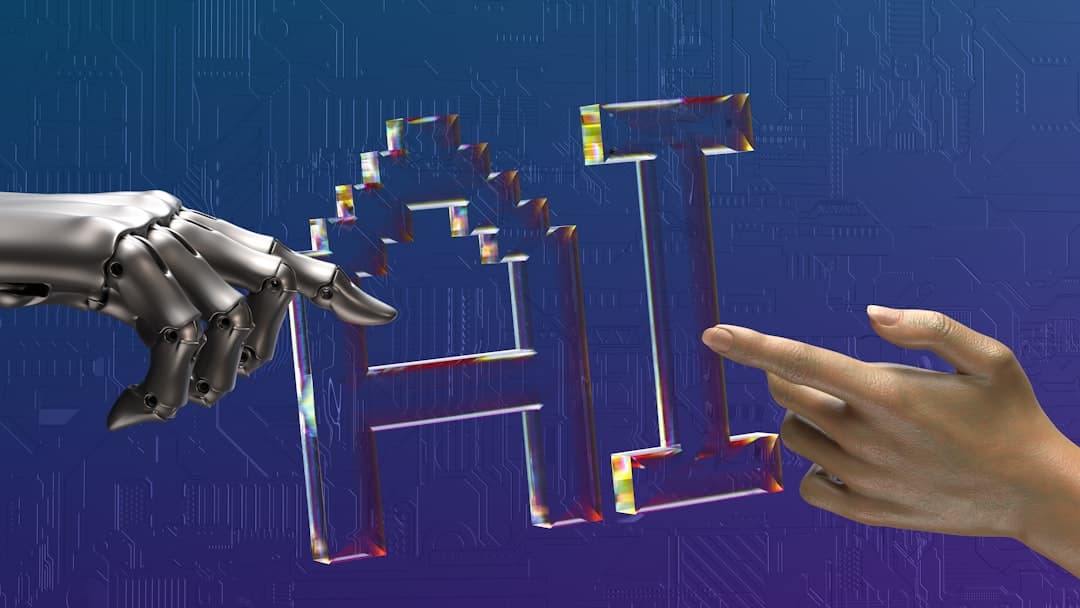
Software engineering was one of the best-paying professions in the US in 2022, but the advent of AI has disrupted it, leading to several layoffs and underemployment. Every weekday, Matt, a software engineer, looks forward to his four-hour train commute to Pawling, New York. It’s time he uses to work on his own project: a browser-based video game for which he writes every line of code himself.
“I am actively trying to keep my axe sharp,” said Matt, who did not want to use his actual name, to protect his employment. In the last six months, Matt’s job has increasingly shifted away from coding, problem solving and software architecture towards reviewing code generated by artificial intelligence. Convinced that the shift will weaken his skills, he’s doing what he can to keep them intact.
“I am trying not to leverage AI where I can.” Why this matters: The disruption caused by AI in software engineering has far-reaching implications for the industry. As automation takes over routine coding tasks, engineers like Matt must adapt to stay relevant. This shift may lead to a greater emphasis on skills like critical thinking, problem-solving, and creativity.
However, it also raises concerns about job displacement and the need for continuous training and upskilling. For businesses, this means reevaluating their workforce and investing in employee development programs. For consumers, it may result in more efficient and cost-effective software solutions, but also raises questions about accountability and transparency in AI-generated code.
Ultimately, the industry's ability to navigate this transition will determine the future of software engineering and its role in shaping the technological advancements of tomorrow.
Source: The Guardian Technology