Venom and Hot Peppers Offer a Key to Killing Resistant Bacteria
Researchers from the National Autonomous University of Mexico develop new antibiotics from scorpion venom and habanero peppers to combat tuberculosis and reduce bacterial resistance.
["Researchers from the National Autonomous University of Mexico (UNAM) have made a groundbreaking discovery in the fight against tuberculosis and bacterial resistance. A team led by Lourival Domingos Possani Postay from the Institute of Biotechnology's Morelos campus has developed three new antibiotics derived from scorpion venom and habanero peppers.", "The breakthrough involves two drugs that have shown efficacy against the bacterium Mycobacterium tuberculosis, responsible for tuberculosis, as well as against Staphylococcus aureus, a microorganism that can cause various clinical complications in hospital environments. The antibiotics were derived from the venom of the scorpion Diplocentrus melici, native to the state of Veracruz.
By isolating two colorless molecules called benzoquinones from the arachnid's toxin, the team was able to create compounds with unique properties.", 'These molecules have the ability to oxidize and change color when they come into contact with air, which allowed scientists to determine their chemical structure, synthesize them in the laboratory, and evaluate their biological properties. The results showed that the blue benzoquinone has the capacity to act against the bacteria that cause tuberculosis, while the red one is effective against Staphylococcus aureus. Richard Zare, a renowned expert in physical chemistry and a professor of chemistry at Stanford University, participated in this process, validating the findings.', 'The project also involved collaboration with Rogelio Hernández Pando, from the Salvador Zubirán National Institute of Medical Sciences and Nutrition, who evaluated the effect of blue benzoquinone in a mouse model with induced tuberculosis.
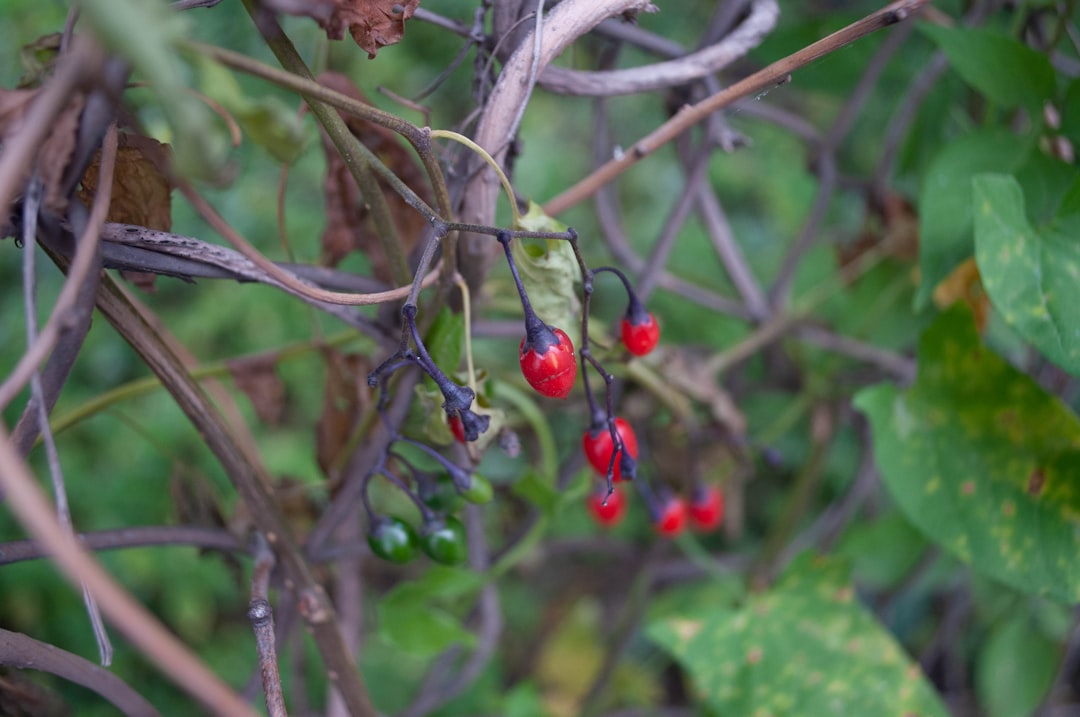
The molecule proved to be a highly effective antibiotic against this disease. Further tests revealed that the same substance can eliminate other bacteria, such as Acinetobacter baumannii, a highly resistant opportunistic pathogen often associated with hospital infections.', 'Meanwhile, another group from the UNAM Biotechnology Institute identified a peptide in the habanero chili bell pepper that has the capacity to fight opportunistic bacteria. This project, led by Gerardo Corzo Burguete and Georgina Estrada Tapia, focused on the bacterium Pseudomonas aeruginosa, considered a high-priority pathogen by the World Health Organization due to its resistance to conventional antibiotics.
The scientists developed a biotechnological process to produce a drug called XisHar J1-1, which proved effective against Pseudomonas aeruginosa and has the potential to treat infections caused by fungi.', 'The molecules obtained from the scorpion venom have already been patented in Mexico and South Africa, and researchers are now working on developing nanoparticles to administer the antibiotics safely in the body. According to Possani Postay, the next step is to carry out clinical trials, which will require significant investment. He expressed interest in collaborating with a national pharmaceutical company to bring the compounds to large-scale production.']
Source: Wired