AI Art Gallery Dataland Redefines Creative Boundaries
Refik Anadol's Dataland gallery showcases AI-generated art with a focus on ethics and sustainability.
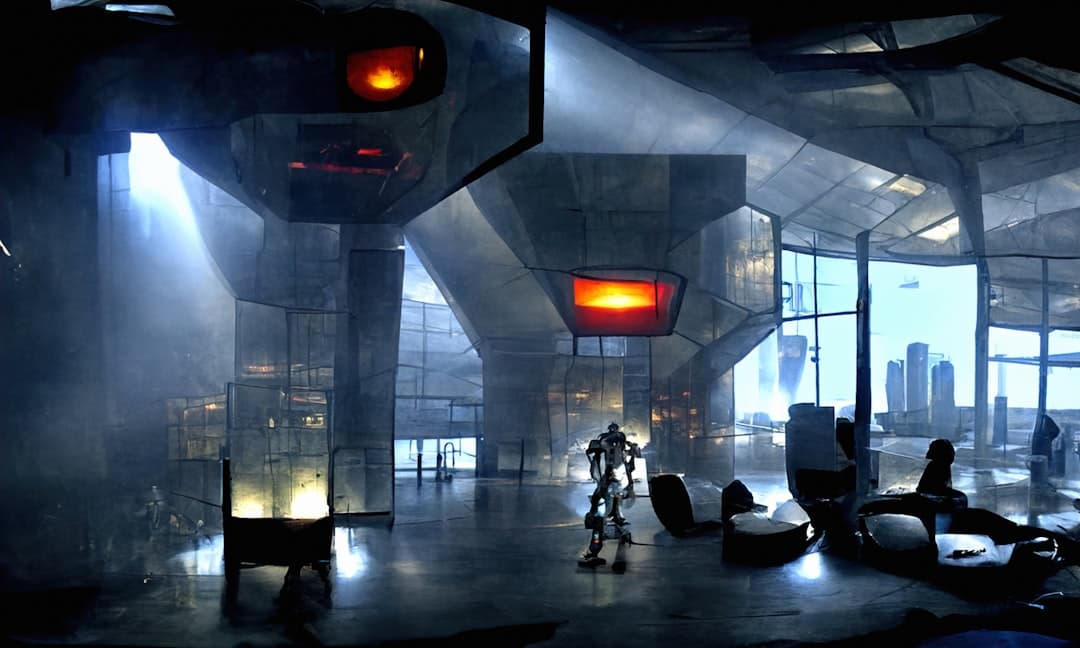
Refik Anadol, a renowned artist known for his technological installations that explore the relationship between humans and machines, is optimistic about the current moment in art history. "I think we are literally in a renaissance," he says, "We just don’t have a name for it yet." Anadol's enthusiasm is justified, given the success of Dataland, the cutting-edge downtown Los Angeles gallery he co-founded with studio partner Efsun Erkılıç. The gallery, billed as the first "museum of AI arts" in the world, welcomed over 10,000 visitors to its opening exhibit in the first two weeks.
The gallery's centerpiece is Anadol's most ambitious project to date, an immersive architectural vision titled Machine Dreams: Rainforest. This interactive digital display responds to visitors' movements and biometric data, producing ever-shifting images and soundscapes drawn from Anadol's Large Nature Model, an AI system built using natural science archives from prestigious research institutions like the Smithsonian. Anadol and his team spent three years training their own AI models and working with their own data sets, collecting 5 petabytes of raw data from the Amazon and other rainforests.
He emphasizes that Dataland sourced this data with the consent and participation of researchers, unlike Silicon Valley's major AI firms, which have faced backlash and lawsuits over their use of unlicensed content as training data. Anadol notes that Google DeepMind provided Dataland with access to "experimental low-energy" resources, enabling the gallery to run on Google Cloud and maintain "sustainable compute." Anadol has collaborated with Google since becoming the first person awarded the Google Artists and Machine Intelligence Artist Residency in 2016. The commitments to ethics, environmental responsibility, and producing a living, breathing ecosystem with artificial intelligence are crucial if Anadol and Dataland want to redefine "AI art." Many creatives and critics reject the generative "slop" that has infested visual media, and Anadol acknowledges their concerns.
"I mean, 100 percent, the majority is right," he says, noting that when someone hears about AI art, "their first assumption is like, prompt engineering, or a bunch of eight-second clips." Why this matters: The emergence of Dataland and Refik Anadol's vision for AI-generated art has significant implications for the creative industry and consumers alike. By prioritizing ethics and sustainability, Anadol and Dataland are challenging the status quo and pushing the boundaries of what AI art can be. This approach could pave the way for more responsible and innovative uses of AI in art, potentially changing the way we perceive and interact with machine-generated content.
As AI continues to play a larger role in creative industries, questions about ownership, consent, and environmental impact will remain at the forefront. Will Dataland's model be emulated by other galleries and artists, and what does this mean for the future of AI-generated art?
Source: Wired