UK Shops Roll Out Facial Recognition That Alerts Police
Facewatch system in Sainsbury's, B&M, and others alerts police to serious offenders in real time.
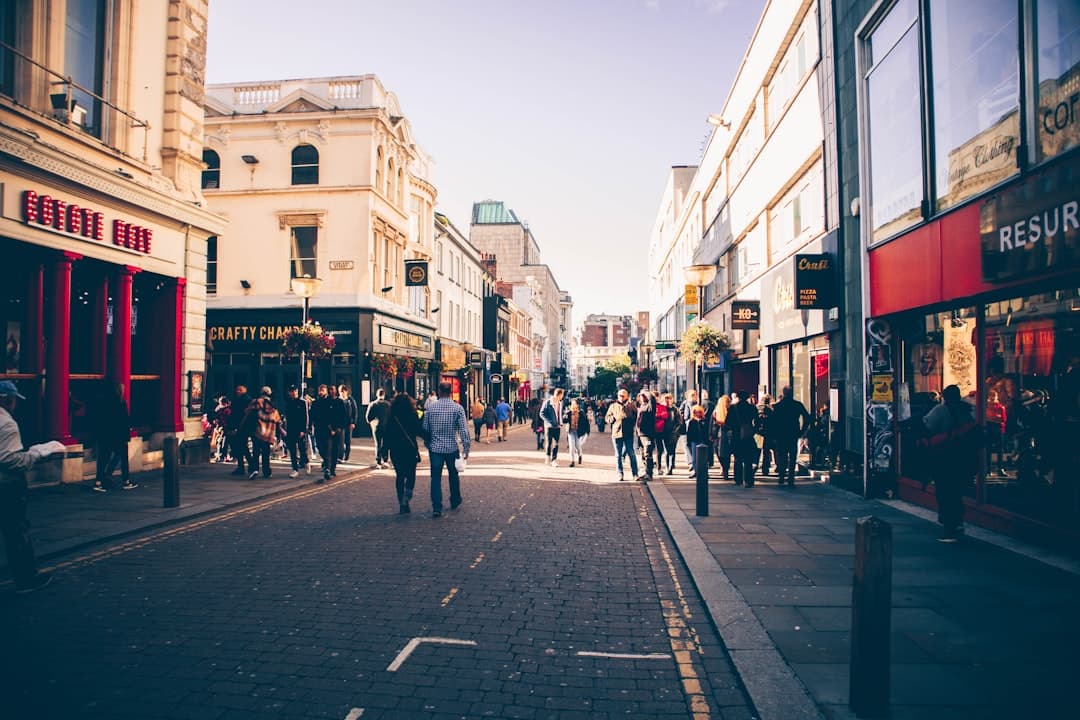
Civil liberties groups say the Facewatch system in stores such as Sainsbury's and B&M is a 'dangerous escalation' towards surveillance and criminalisation in the retail sector. Facial recognition technology in shops will soon alert police in real time to the presence of serious offenders, with civil liberties groups warning of a 'dangerous escalation'. Facewatch, a facial recognition system used by more than 100 businesses including Sainsbury's, B&M and Spar to monitor thieves, said it was launching a UK-first feature to 'alert police instantly when the most serious offenders trigger a live facial recognition match'.
The launch of this feature has sparked concern among civil liberties groups, who argue that it represents a significant increase in surveillance and policing in the retail sector. The Facewatch system is already used by over 100 businesses to monitor and identify thieves, but the new feature takes this a step further by instantly alerting police to the presence of serious offenders. The use of facial recognition technology in shops has raised questions about privacy and civil liberties, with some arguing that it is an overreach of surveillance powers.
The UK has already seen controversy over the use of facial recognition technology, including a recent court ruling that deemed the use of the technology by police in London to be unlawful. The rollout of this technology has also sparked debate about the role of police in retail environments, and the potential for bias in facial recognition systems. As the use of facial recognition technology becomes more widespread, concerns about its impact on civil liberties and privacy are likely to continue.
Why this matters: The introduction of facial recognition technology in UK shops that alerts police in real time to serious offenders raises significant concerns about the balance between security and civil liberties. For developers and businesses, this technology presents a complex set of issues around data protection, bias, and accountability. For consumers, it means that their movements and actions in retail environments are being increasingly monitored and tracked.
As this technology becomes more widespread, there are open questions about its impact on society, including the potential for bias in facial recognition systems and the long-term implications for civil liberties. The use of this technology also raises questions about the role of police in retail environments, and whether this represents a proportionate response to the issue of shoplifting and theft.
Source: The Guardian Technology