Boston Dynamics Tests Robot Dog for Delivery Tasks
Boston Dynamics tests Spot robot with conveyor belt accessory for autonomous package delivery
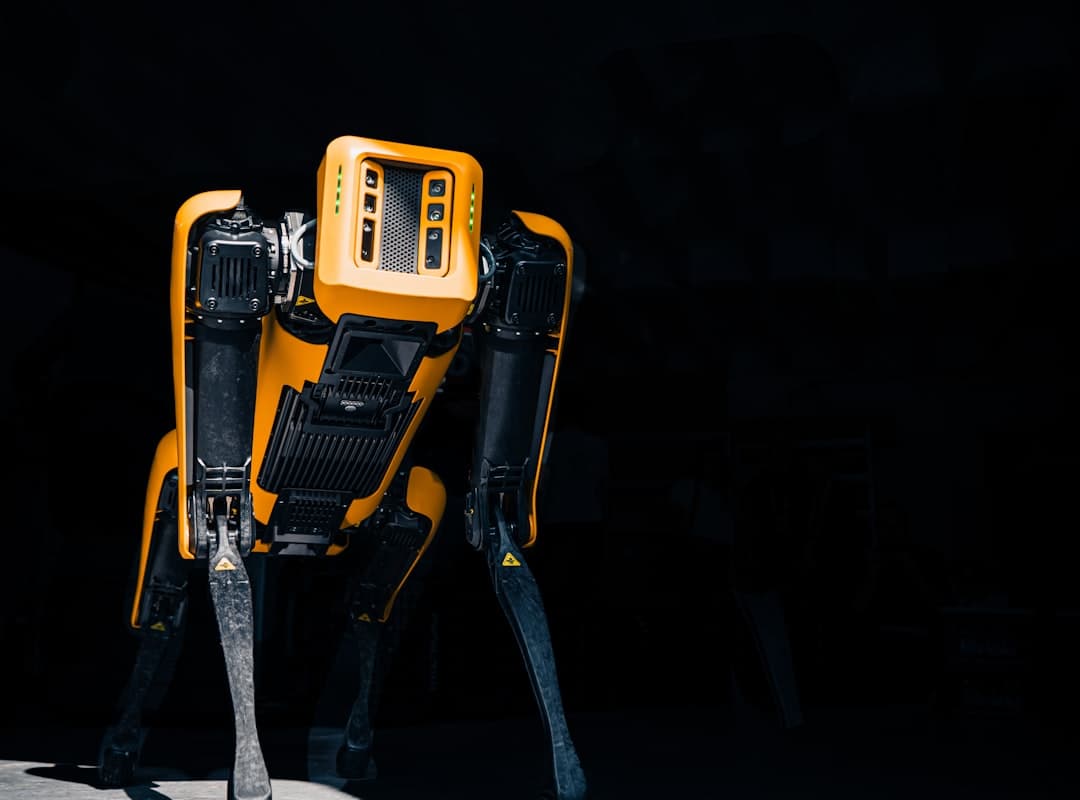
Boston Dynamics' robotic quadruped Spot has already found work doing routine factory inspections and patrolling the ruins of Pompeii, but what about deliveries? The company is testing a new conveyor belt accessory that allows Spot to carry packages from a vehicle and autonomously unload them on a customer's doorstep in an effort to reduce a delivery driver's workload. While attempts have already been made to expedite and automate deliveries using wheeled robots or aerial drones, humans are still the most efficient way to navigate obstacles like stairs or cluttered pathways in order to get packages from a truck to a doorstep.
A demo video shows Spot successfully navigating around obstacles to deliver a package. The use of Spot for deliveries could potentially reduce the workload of delivery drivers, allowing them to focus on more complex tasks. Boston Dynamics has not announced plans for commercial deployment of the technology.
The testing of Spot for deliveries highlights the ongoing efforts to automate and streamline delivery processes. As the demand for fast and efficient delivery continues to grow, companies are exploring new ways to leverage robotics and automation to meet customer needs. Why this matters: The testing of Boston Dynamics' Spot robot for delivery tasks has significant implications for the logistics and delivery industries.
If successful, this technology could enable companies to reduce labor costs and improve delivery efficiency. However, there are still many open questions about the scalability and practicality of using robots for deliveries, particularly in areas with complex environments or high volumes of traffic. As the use of robotics and automation continues to grow in the delivery industry, developers and businesses will need to consider issues such as safety, security, and public acceptance.
For consumers, the increased use of robots for deliveries could mean faster and more efficient service, but also raises concerns about job displacement and the potential for errors or accidents.
Source: The Verge