Oura Ring 5 Review: Refining the Smart Ring Experience
Oura's latest smart ring offers a refined design and enhanced software experience with AI-driven health coaching.
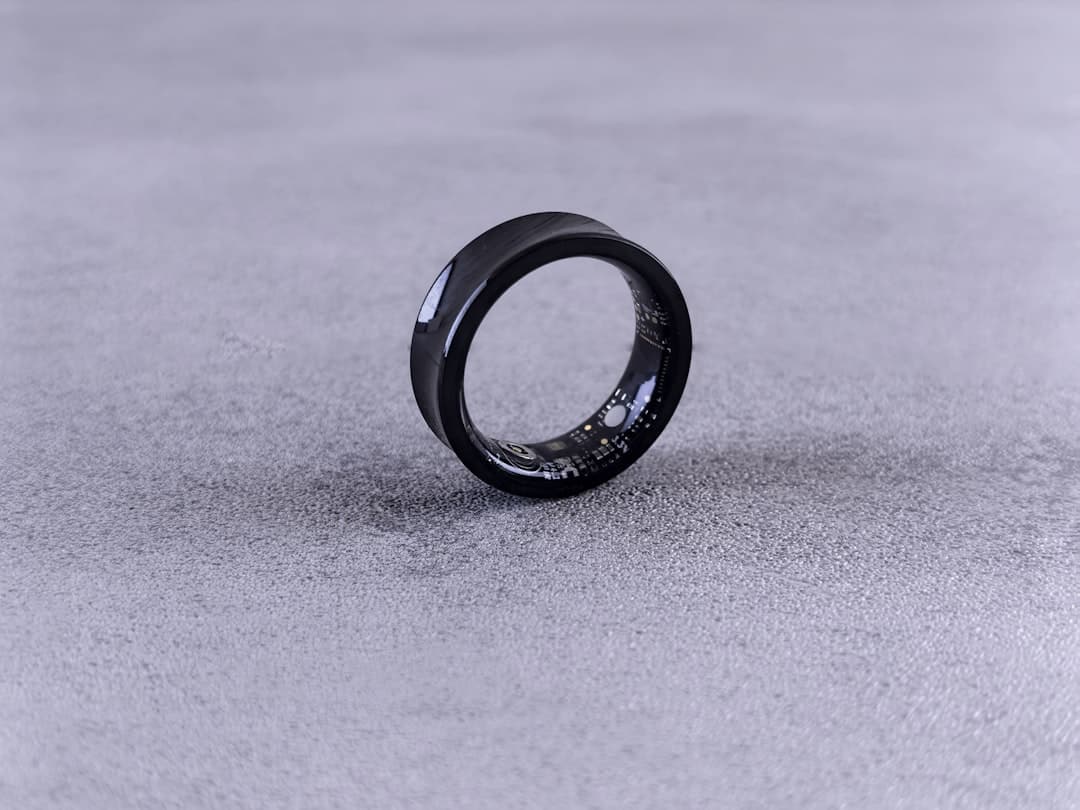
Since establishing the smart ring category in 2015, Oura has spent the past decade maintaining its leadership as competitors like Ultrahuman, RingConn, and Samsung entered the market. The Oura Ring 5 doesn’t attempt to overhaul what already works. Instead, it offers a careful refinement: smaller, more comfortable, and equipped with a smarter software experience that emphasizes AI-driven health coaching.
After three weeks of wearing it, I consider it the best smart ring Oura has produced, though Ring 4 owners might find it hard to justify upgrading. Sometimes I forget I’m wearing the Oura Ring 5. At 6.09 mm wide and 2.28 mm thick, it’s approximately 40 percent smaller than the Ring 4, and Oura says it’s the smallest smart ring on the market.
After sleeping with it every night, wearing it through workdays, and keeping it on for most workouts, I found it way more comfortable than previous generations. Fortunately, the slimmer build doesn’t sacrifice durability. The titanium exterior now has a tougher physical vapor deposition coating, and the ring retains its IP68 rating and 100-meter water resistance.
After three weeks of daily wear, mine still looks surprisingly clean. A few hairline marks have started to appear, but they’re far subtler than the scratches my Ring 4 picked up within its first week. The Oura Ring 5's enhanced software experience focuses on providing users with actionable insights and personalized recommendations through its AI-driven health coaching.
This feature aims to help users better understand their health and wellness data, and make informed decisions to improve their overall well-being. Why this matters: The Oura Ring 5's refined design and advanced software capabilities set a new standard for smart rings, solidifying Oura's position in the market. As the smart ring market continues to grow, with more competitors entering the scene, Oura's focus on comfort, durability, and user-centric features will likely appeal to consumers seeking a seamless and insightful wearable experience.
For developers and businesses, the Oura Ring 5's emphasis on AI-driven health coaching highlights the importance of incorporating machine learning and data analysis in wearable technology. As consumers become increasingly interested in tracking their health and wellness, the Oura Ring 5's capabilities raise questions about data ownership, security, and the potential for future integrations with other health and fitness services.
Source: Wired