ChatGPT Introduces Lockdown Mode to Mitigate Prompt Injection Attacks
OpenAI rolls out Lockdown Mode for ChatGPT, disabling web access and other features to thwart data theft via prompt injection attacks.
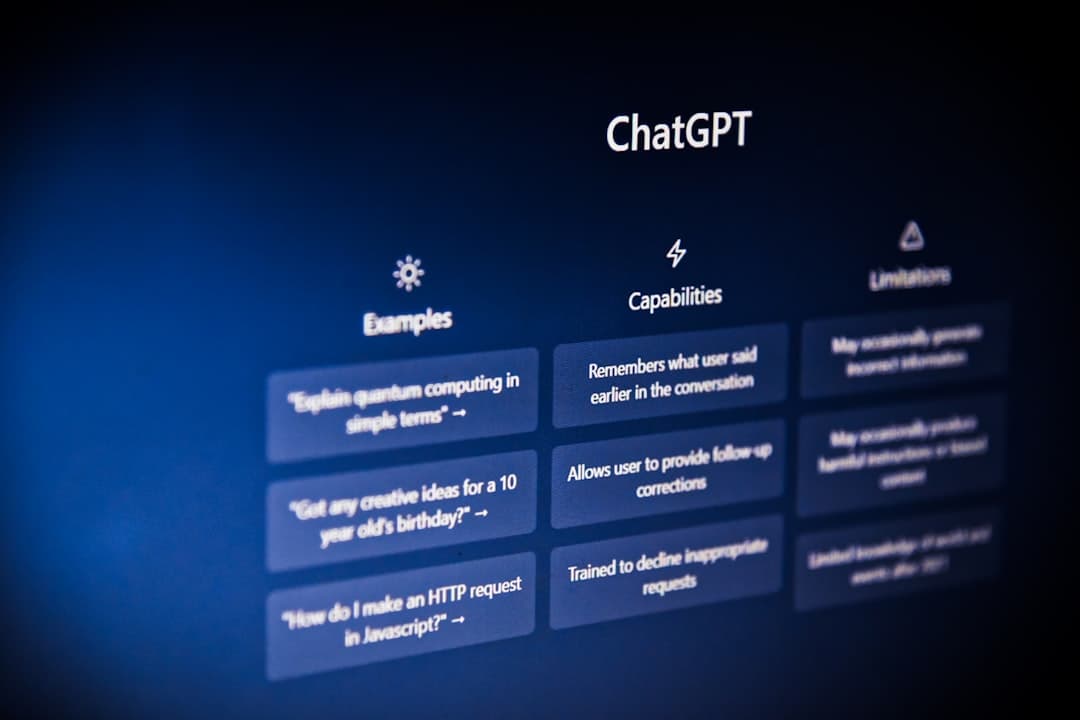
OpenAI has introduced a new Lockdown Mode for ChatGPT, designed to bolster protection against sensitive data theft through prompt injection attacks. This mode disables web access, Deep Research, and Agent Mode, effectively blocking the final step in an exfiltration chain. However, it's crucial to note that Lockdown Mode does not entirely prevent such attacks; rather, it makes them more difficult to execute.
The introduction of Lockdown Mode comes as prompt injection remains a significant, unsolved problem in the field of AI. This vulnerability allows malicious actors to manipulate ChatGPT into divulging sensitive information or performing unintended actions. While Lockdown Mode mitigates some risks, OpenAI acknowledges that it is not a foolproof solution.
The article on Lockdown Mode first appeared on The Decoder, highlighting OpenAI's ongoing efforts to address security concerns and enhance the safety of its AI models. As AI continues to evolve, the company faces the challenge of balancing functionality with robust safeguards against emerging threats. By offering Lockdown Mode, OpenAI provides users with an additional layer of control over their interactions with ChatGPT, particularly in scenarios where data security is paramount.
This feature is a step towards more secure AI deployment, but it also underscores the need for continued innovation in AI safety and security. The effectiveness of Lockdown Mode and its impact on the broader issue of prompt injection will likely be scrutinized by both the tech community and cybersecurity experts. As AI models become increasingly integrated into various aspects of technology and daily life, ensuring their security and integrity remains a top priority.
Source: The Decoder