Robots can enhance manufacturing workers rather than replace them
The Dawn cafe, where people with disabilities teleoperate robots, shows the possibility of human-robot collaboration across industries.
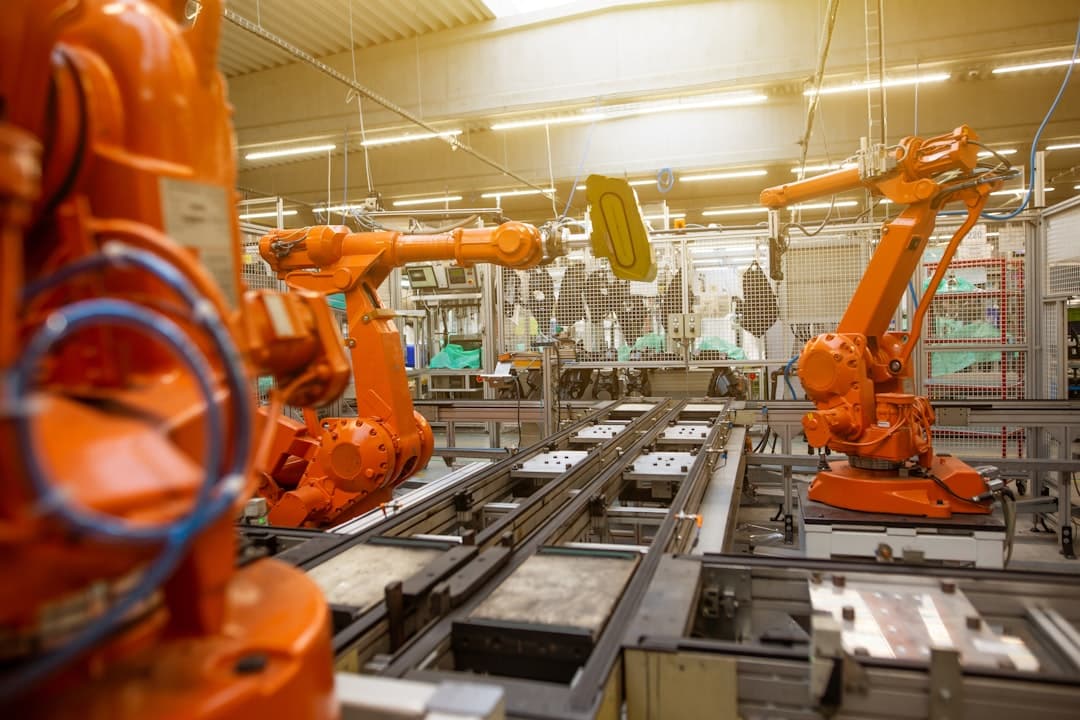
['In Japan, a unique concept is emerging in the world of automation: robots can bring people into the workplace rather than replace them. The Dawn cafe, where people with disabilities remotely operate robots, is a prime example of human-robot collaboration. This idea is now being applied in manufacturing, challenging the common misconception that robots will replace human workers.', 'According to the International Federation of Robotics (IFR), 542,000 robots were installed in 2024, more than double the number 10 years prior.
While robots are often associated with increased efficiency, their role is increasingly being viewed as a value generator beyond just saving time. Over half of global manufacturers are adopting robots for quality improvement. Instead of focusing on whether AI will replace humans, manufacturers should be asking how they can work together effectively.', 'However, many manufacturers still lack the IT and technological infrastructure to make generative AI viable.
The industry is notoriously manual-dependent, with 70% of manufacturers still capturing data manually. This creates a significant data gap that must be addressed. Two technical challenges must be overcome: capturing the link between purpose and action, and translating that into a way that robots can replicate it.
While progress has been made in motion sensors and generative AI systems, the first challenge remains complex, as it requires understanding the instinctual knowledge of factory floor operators.', 'Bridging the knowledge gap between human operators and robots is a significant hurdle. To make workflows and digital ecosystems AI and robot-ready, a reconfiguration of how these workflows are designed and managed is necessary. This requires a modernization and digital transformation that involves people, not just technology.
The skills that will matter most are strategic thinking, problem-solving, creativity, and critical thinking. Manufacturers need people who can think like data scientists and engineers, as well as excellent communicators, problem solvers, and strategists.', "The future of manufacturing lies in a collaborative relationship between humans and robots. Panasonic's pilot program with OryLab's OriHime avatar robots is a promising example.
The results show that 94% of respondents reported a more positive view of the abilities and motivation of workers with physical impairments. As Shinichiro Nakamura, president of one to ONE Holdings, notes, manufacturers must prioritize human-in-the-loop approaches to automation and robots, rather than simply replacing human workers. The goal is to create a more inclusive, collaborative, and AI-literate workforce, bolstered by robots, not replaced by them."]
Source: The Robot Report