SpaceX Prepares for Starship's 13th Test Flight with Starlink Satellites
SpaceX's Starship spacecraft and Super Heavy booster are set for their 13th test flight, potentially as early as Thursday, with 20 Starlink V3 satellites on board.
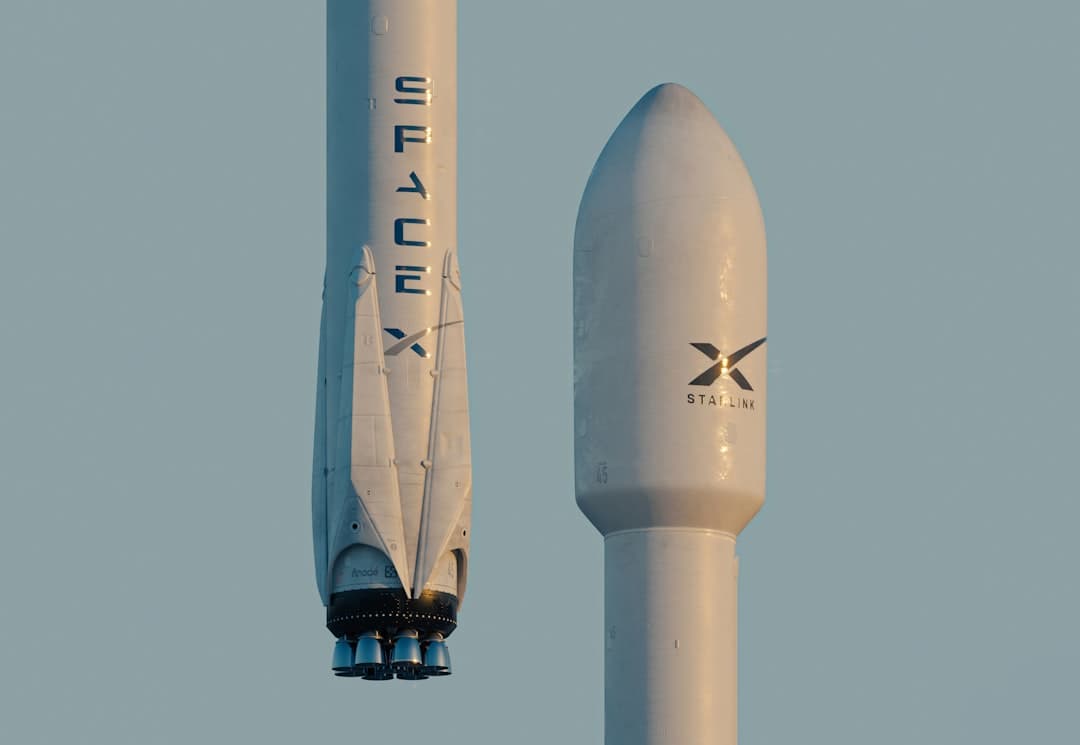
Starlink Satellites">
The next test flight of SpaceX's Starship spacecraft and Super Heavy booster could take off as soon as Thursday, and much of the hour-long mission will look a lot like the last Starship flight in May. But there are a few key differences for this launch, set to occur during a launch window that opens at 5:45 pm CDT (22:45 UTC) on Thursday. The most notable change is the inclusion of real, functioning Starlink satellites inside Starship's cargo bay.
SpaceX previously tested the ship's payload deployment mechanism using simulators mimicking the mass and dimensions of the company's next-generation Starlink Version 3 broadband satellites. This time —Starship's 13th full-scale test flight and the second to use SpaceX's newest version of Starship —technicians have installed 20 Starlink V3 satellites into the ship's deployer, a system of pulleys and cables designed to eject a stack of satellites one at a time through an opening on the side of the spacecraft. The satellites will not be part of SpaceX's operational network, but engineers will attempt to briefly establish laser communication links between the Starlink V3s and other spacecraft flying in low-Earth orbit.
If successful, these links will validate Starlink V3's interoperability with SpaceX's previous generation of Starlink satellites. This test flight marks an important step in SpaceX's development of its Starship and Starlink technologies. The successful deployment and operation of these satellites will demonstrate the capabilities of the Starship spacecraft and pave the way for future missions.
For SpaceX, this means one step closer to establishing a comprehensive network of satellites that can provide global internet coverage. For the industry, it highlights the growing importance of satellite technology in providing connectivity and the ongoing innovation in launch systems. As SpaceX continues to push the boundaries of space technology, questions remain about the long-term sustainability of its ambitious plans and the regulatory frameworks that will govern the expanding satellite industry.
Source: Ars Technica