Ukraine's Drone Strikes Blockade Sea of Azov Shipping
Ukrainian drone strikes halt Russian shipping in Sea of Azov, showcasing non-traditional naval blockade capabilities.
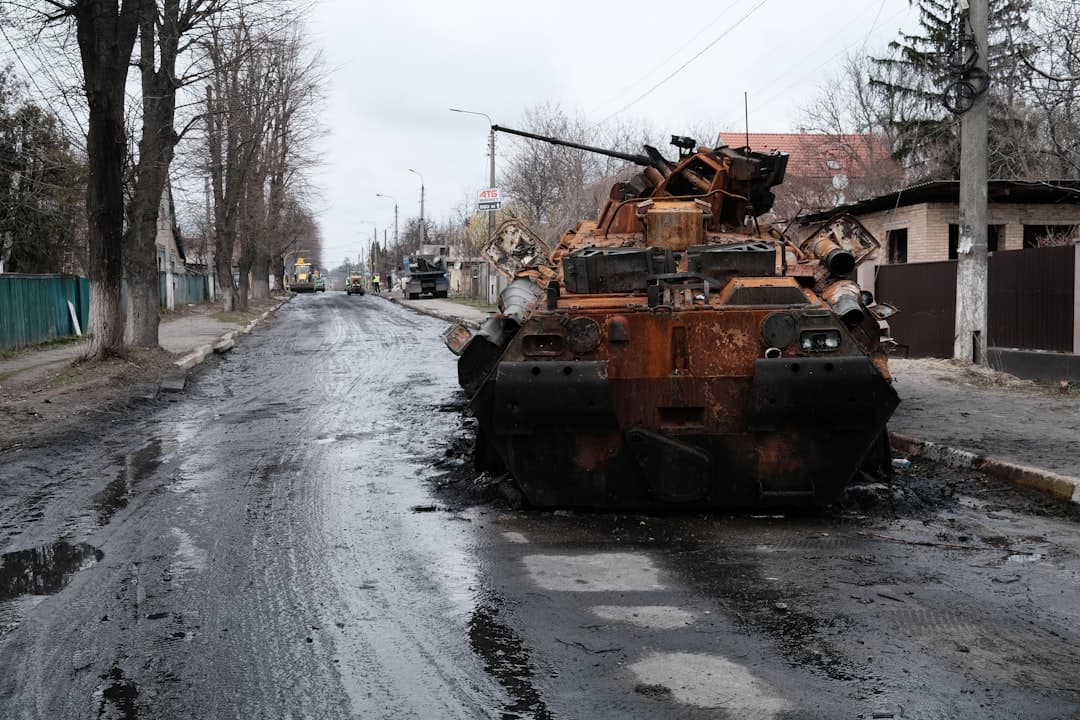
Ukrainian drone strikes have forced Russia to completely halt shipping in the Sea of Azov in less than a week—showing once again how a country without traditional naval power can still effectively blockade maritime corridors. Ukraine’s Unmanned Systems Forces have flown one-way attack drones to target and strike more than 100 Russian tankers and other ships every night between July 6 and July 13, along with posting video evidence showing such drone strikes. The campaign has forced Russia to completely shut down the shipping route that flows from Russia’s Don River into the Sea of Azov, and to halt all Kerch Strait shipping transits from the Sea of Azov into the Black Sea, according to Reuters reporting.
The shutdown of such maritime lanes has further isolated the Russian-occupied Crimean Peninsula by cutting off seaborne delivery of fuel in particular. Crimea had already been experiencing severe fuel rationing and power outages as Ukraine stepped up its mid- and long-range drone strike campaign on Russian energy infrastructure and supply lines, leaving behind damaged oil refineries with billowing black smoke and burned-out trucks littering highways. Why this matters: The successful use of drone strikes by Ukraine to blockade the Sea of Azov has significant implications for the broader conflict and the future of naval warfare.
It demonstrates that a country without a traditional navy can still exert considerable control over maritime corridors, using relatively low-cost and technologically advanced systems. For developers and businesses, this highlights the growing importance of unmanned systems and autonomous technologies in modern conflict. As the use of drones and other unmanned systems continues to evolve, it raises questions about the future of naval power and the ability of traditional navies to operate in contested environments.
For consumers, the impact of these developments may be felt in terms of disruptions to global shipping and trade, as well as the potential for increased military tensions and conflict in the region.
Source: Ars Technica