Tesla Reveals New Details About Robotaxi Crashes—and the Humans Involved
Tesla has published new details about 17 robotaxi incidents, including two crashes where human employees remotely drove the cars into objects on the street.
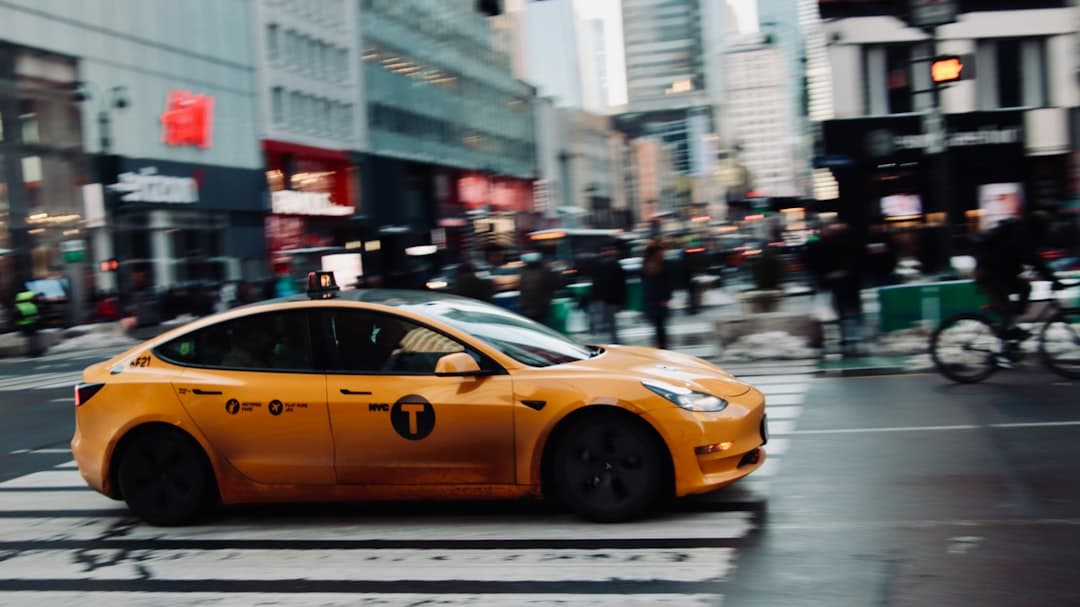
Tesla Reveals New Details About Robotaxi Crashes—and the Humans Involved">
For over a year, Tesla has kept details about its robotaxi crashes under wraps. Now, the company has released new information in a federal database about 17 incidents that occurred between July 2025 and March 2026. At least two of these incidents raise questions about the role of human employees in the crashes.
In both cases, which took place in Austin, Tesla's human employees, known as "safety monitors," were in the vehicle's passenger seat, overseeing the still-developing self-driving technology. No passengers were in the cars during these incidents. Both crashes happened at low speeds, below 10 miles per hour.
The first incident occurred in July 2025, when a safety monitor requested help from Tesla's remote driving team after the car stalled on the side of the road. A remote worker took control and drove the Tesla up a curb and into a metal fence at 8 mph. The safety monitor suffered "minor" injuries but was not hospitalized.
Another incident happened in January 2026, when a safety monitor asked for navigation assistance from the remote team. The remote driver took control and drove the car straight into a temporary construction barricade at 9 mph. The crash damaged the robotaxi's front left fender and tire, but Tesla did not report any injuries.
The newly released details highlight a crucial but often misunderstood aspect of autonomous vehicle operations: the human backstops who remotely monitor robot cars and intervene when they encounter problems. All US self-driving operators maintain these remote teams. However, Tesla appears to be an outlier, as it more frequently allows these remote workers to directly drive the cars.
Other companies typically allow their workers to provide remote input to the autonomous vehicle software, which the system can choose to use or reject. Experts are now questioning the safety implications of remote driving. "The new details on the two Tesla crashes raise questions about what the teleoperator can see in both coverage and resolution, and what kind of latency they are experiencing while driving," says Noah Goodall, an independent self-driving vehicle researcher.
Source: Wired