US Surveillance Law Set to Expire After Lawmakers Reject Trump’s Pick
The House of Representatives failed to renew the US government's warrant-less surveillance law, which is set to expire on Friday.
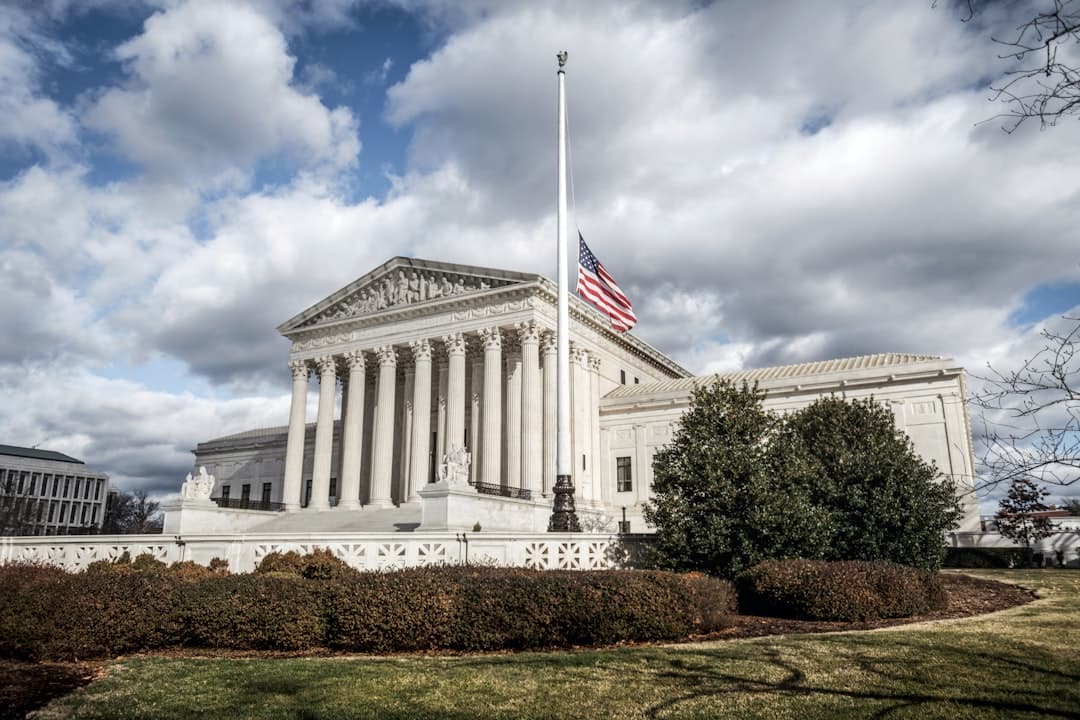
The House of Representatives has failed to renew the U.S. government’s warrant-less surveillance law before it is due to expire on Friday, all but guaranteeing that it will lapse for the first time, as lawmakers protest the appointment of a controversial Trump ally to oversee U.S. intelligence agencies.
The House voted 218-198 on the bill, which needed a two-thirds majority to pass; 19 Republican lawmakers voted against it. According to Politico, the next vote is scheduled for June 23. The spy law, officially dubbed the Foreign Intelligence Surveillance Act (FISA), broadly allows U.S.
intelligence agencies to collect vast amounts of information, including on Americans, to identify foreign hackers, spies and potential terrorists. Also known as Section 702 for its place in the law books, the regulation has been considered critical to national security by both Democrats and Republicans for years. Bipartisan efforts to renew the decades-old spy law stalled over recent weeks, and lawmakers were only able to pass short-term extensions to continue negotiations.
Critics have been calling for overwhelming reform of FISA, citing abuses of the law by multiple past U.S. administrations. Lawmakers from both parties had sought provisions that would require spy agencies to first obtain a court-approved warrant before being allowed to access the private communications of Americans, though the Trump government had been calling for a clean re-authorization of the law.
But a new obstacle sprung up last week for the Trump administration, when the President appointed one of his allies, Bill Pulte, as the acting U.S. director of national intelligence. The cabinet-level position oversees the government’s dozen-plus spy agencies, including the Central Intelligence Agency and the National Security Agency.
The appointment stoked fears that Pulte would use the position to attack Trump’s political opponents and gut the top intelligence office that he would oversee. Politico reports Pulte’s appointment was a “clear sign of the recent mood” inside The White House, and described Trump as having become increasingly isolated and driven by grievances. Democrats had warned that Pulte’s appointment would be a greater risk to U.S.
national security than allowing the law to expire, according to The Washington Post. Pulte, who has no intelligence or national security experience, was set to start on the job on June 19, alongside his current role heading a U.S. federal housing agency.
But on Thursday, the administration pulled Pulte’s nomination, and replaced him in the role with Jay Clayton, who currently serves as the U.S. Attorney for the Southern District of New York, and was previously the head of the Securities and Exchange Commission. But by the time news of Clayton’s appointment broke, many lawmakers had already left the capital for a week-long break, making any last-minute deal to salvage FISA unlikely.
Source: TechCrunch