Wi-Fi Router vs. Mesh System: Which Is Best for You?
Achieving a strong Wi-Fi signal throughout your home without overspending can be tricky, but choosing between a Wi-Fi router and a mesh system can help.
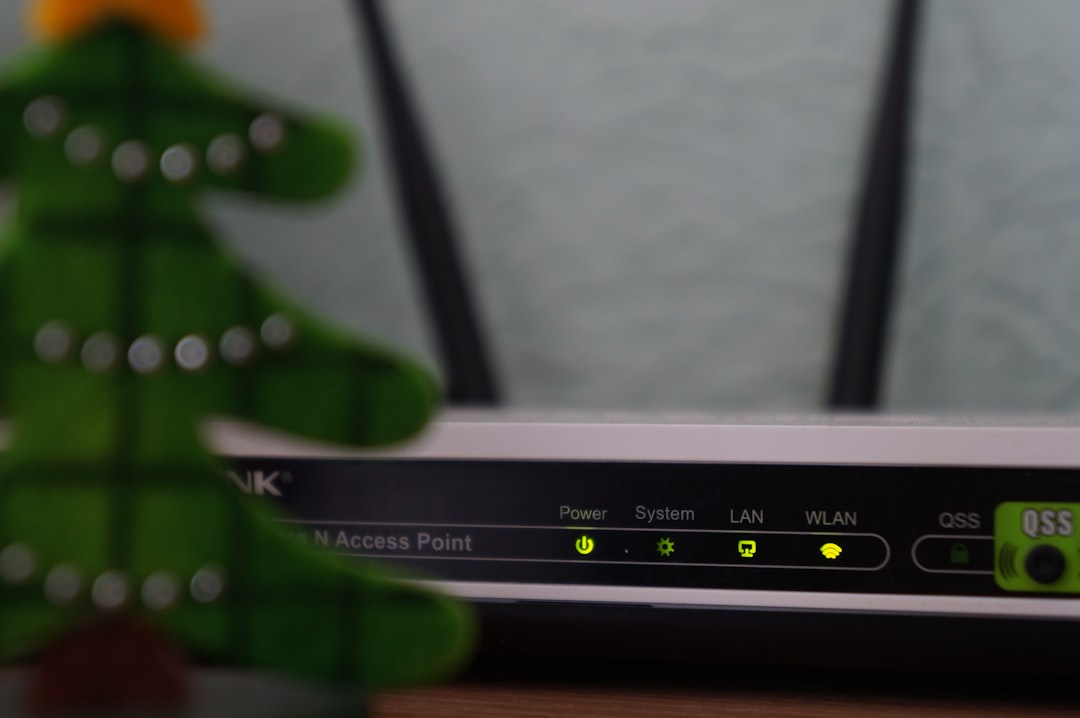
We all want a good, strong Wi-Fi signal throughout our homes, but figuring out how to achieve it without overspending can be tricky. Even once you've decided to replace the router from your internet service provider, do you get a new Wi-Fi router or invest in a mesh system? I covered this briefly in my router buying guide, but I'm going to dive a bit deeper here.
I've been testing all sorts of home networking gear for years now, so I'll break down your options, weigh up the pros and cons, and help you decide. A router is a central hub and gateway where the internet comes into your home. It connects to devices on your home network and directs the traffic.
You usually plug a modem into your router using an Ethernet cable (some routers double as modems). While you can connect other devices to a router using Ethernet cables (if it has spare ports), most gadgets link wirelessly using Wi-Fi. Read our Best Wi-Fi Routers guide to see our top recommendations.
These are usually enough for most homes. You might fancy a shiny new mesh, but if you have a home of modern construction, with a timber frame and drywall, and a modest square footage (2,500 square feet or less), a single router should be enough to keep you online. The Wi-Fi signal will always be strongest near the router and will gradually drop off and slow down the farther away you get.
You should try to place your router centrally in your home and leave it out in the open to get the best performance. This could be tricky because you need to plug in your modem, and you need a power outlet, but an Ethernet cable is cheap, and you can always get an extension. Central placement is worth the hassle if you want solid coverage throughout your home.
It's also better to have the router up high, on top of a bookcase or mounted to the wall near the ceiling on your ground floor. The exact orientation of your router and its antennas (if they are adjustable) can be surprisingly impactful, so try different positions to find what works best with your most important devices around the home. A mesh system consists of a main router that acts as a gateway or hub, just like a single router, with your modem plugged in via Ethernet.
But mesh systems also have satellites or nodes that you can place around your home to extend Wi-Fi coverage. Mesh systems present as one single network and decide when to hand off connections to devices as you move around the home. Read our Best Mesh Wi-Fi Systems guide for our top recommendations.
These models can ensure strong Wi-Fi throughout large, busy homes. If you have a home with thick walls or building materials that interfere with Wi-Fi, and a relatively large footprint (3,000 square feet or above), a mesh system is likely your best bet. Mesh systems can also be great for adding coverage to dead spots or extending Wi-Fi into your garden.
Source: Wired